
A low-cost way to check in on your baby's development, without googling and guessing
The early months with a new baby come with more questions than answers — is this normal, should we be doing more tummy time, is that head shape something to worry about, why won't they settle on one side. Most families end up doing one of two things: waiting to mention it at the next child health check, or turning to Google and hoping the advice they find actually applies to their baby. Neither really solves the worry in the moment. That's the gap our baby drop-in and screening clinics, run every four weeks, are there for.
What we're hoping to achieve
We want families to have somewhere to bring these small, nagging questions before they become bigger ones — without needing a referral, without it costing much, and without it feeling like something is "wrong." Early input, even just reassurance and a few practical ideas, can make a real difference to how settled families feel in those first months, and to how a baby's development unfolds from there.
How it's different from a child health check
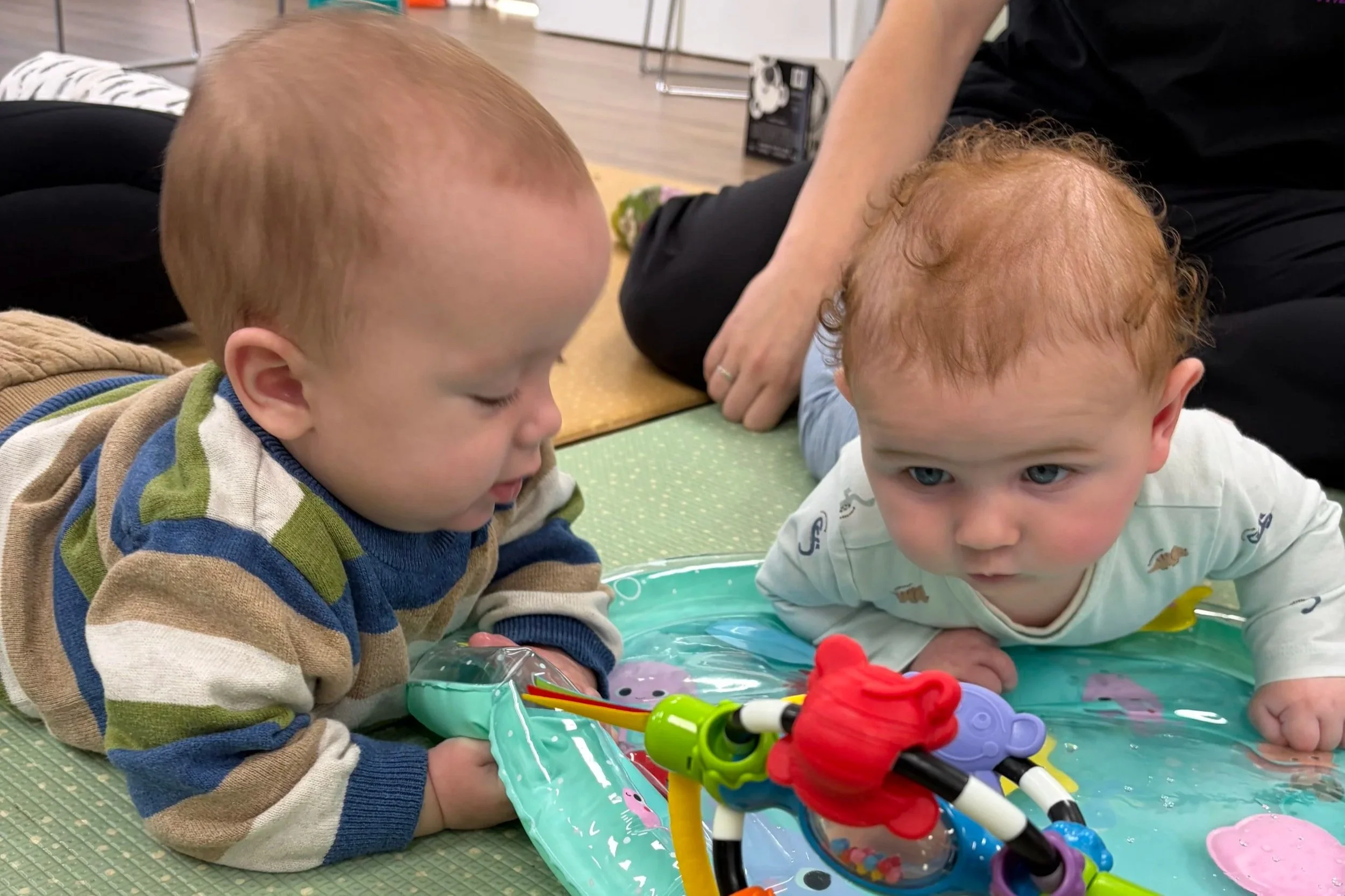
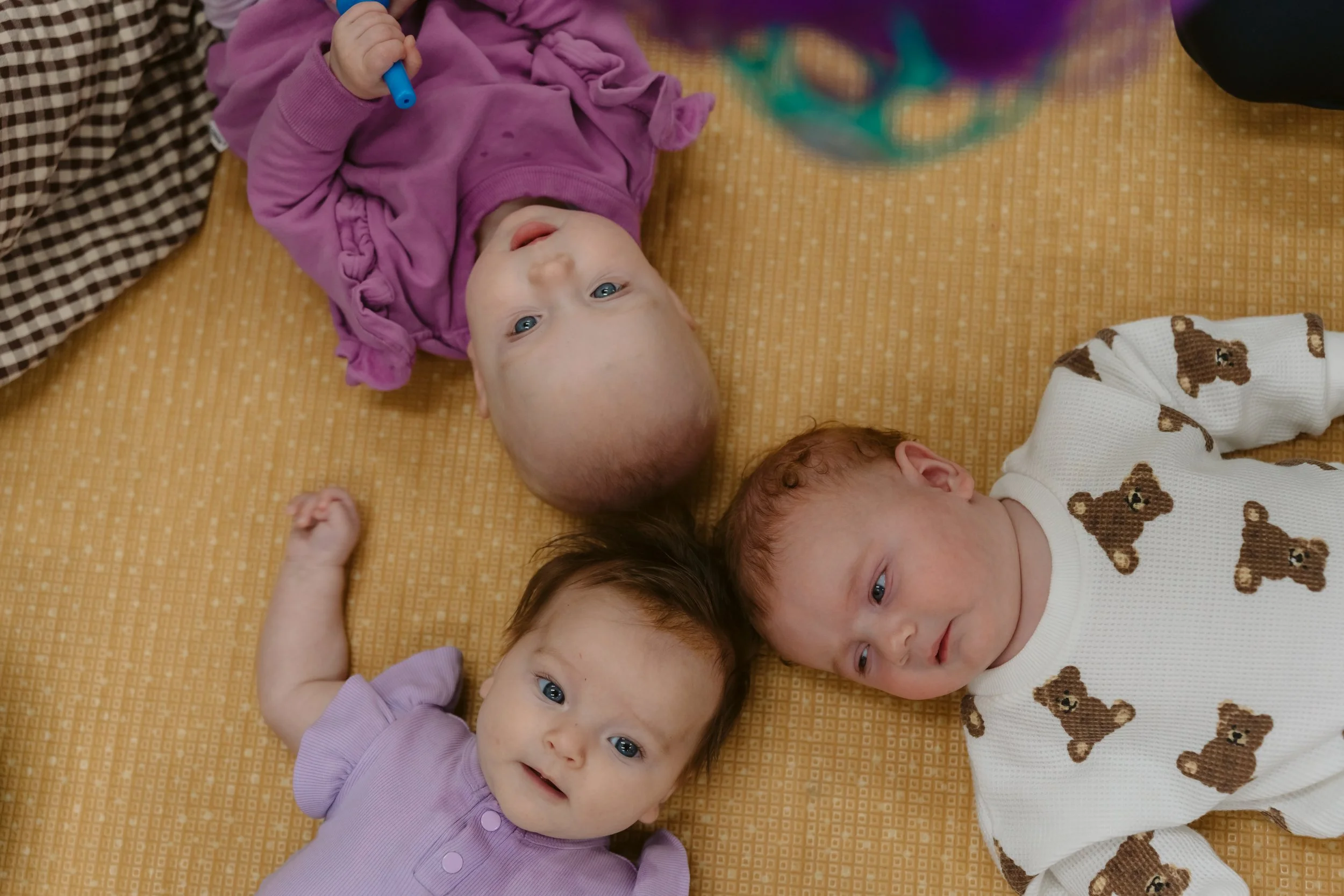
Child health visits are valuable, and they check important things — feeding input and output, sleep, weight, general milestones. What they're not designed to do is a hands-on look at how your baby is actually moving: whether there's tightness through the neck or body, how symmetrical their movement is, whether tummy time struggles are behavioural or physical. That's the piece our drop-in clinics add — a closer look, from people trained specifically to assess it.
Your first visit is free. After that, it's $15 — deliberately kept low, so cost is never the reason a family doesn't come and get something checked.
What you'll actually get from it
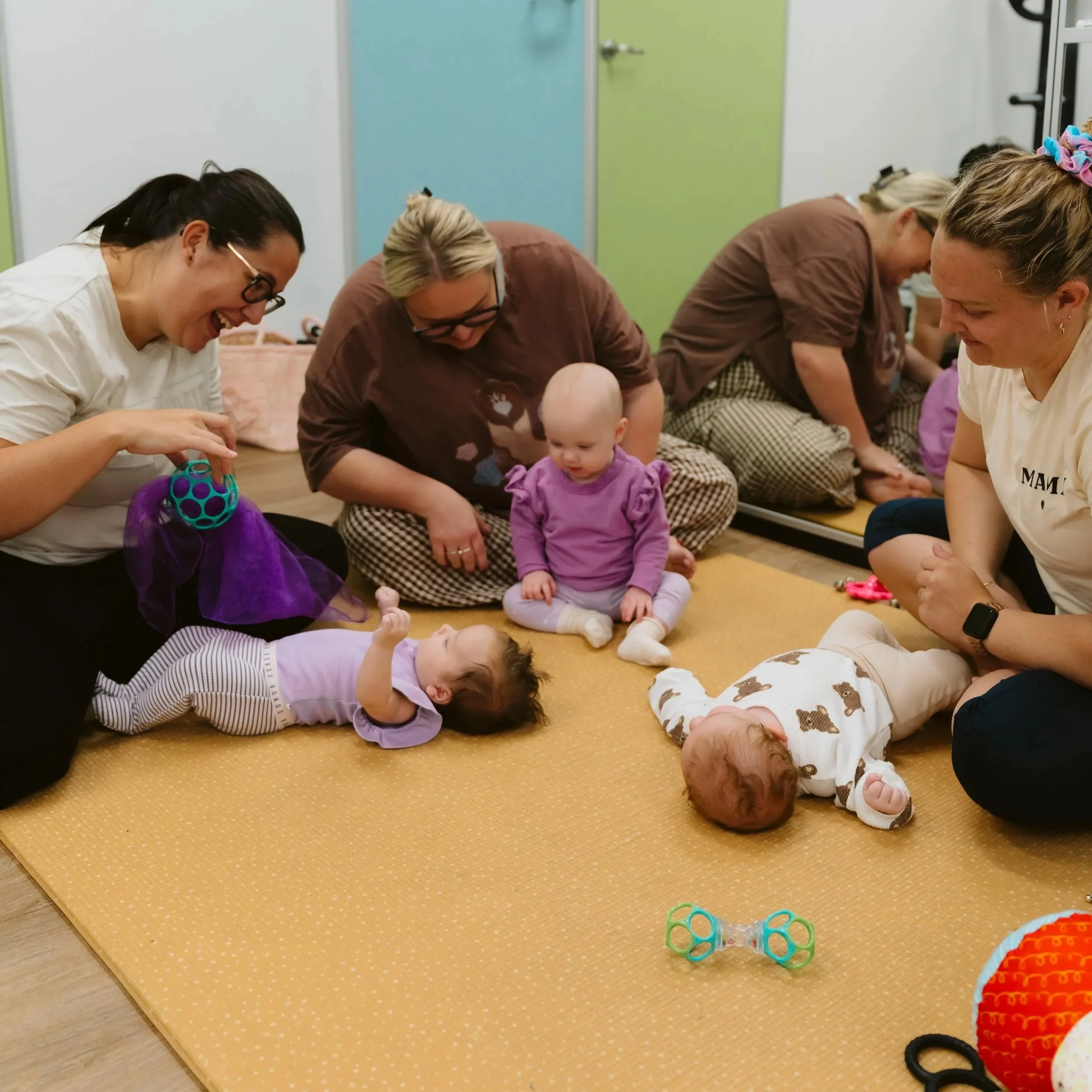
Rather than leaving with a diagnosis or a list of problems, families leave with a few specific, practical things to try — play ideas, positioning tips, what to watch for — tailored to their own baby, instead of generic advice from a search result that may or may not apply. If something does need a closer look, the clinic is a gentle first step toward a full assessment, not a verdict. The goal is always support and reassurance first, not labelling a baby with a problem.
This is any family with a baby in the early months who has a question, a niggle, or just wants an extra set of eyes — whether that's about feeding, tummy time, head shape, side preferences, or simply "is this normal?" You don't need a referral, and you don't need to already suspect something is wrong.