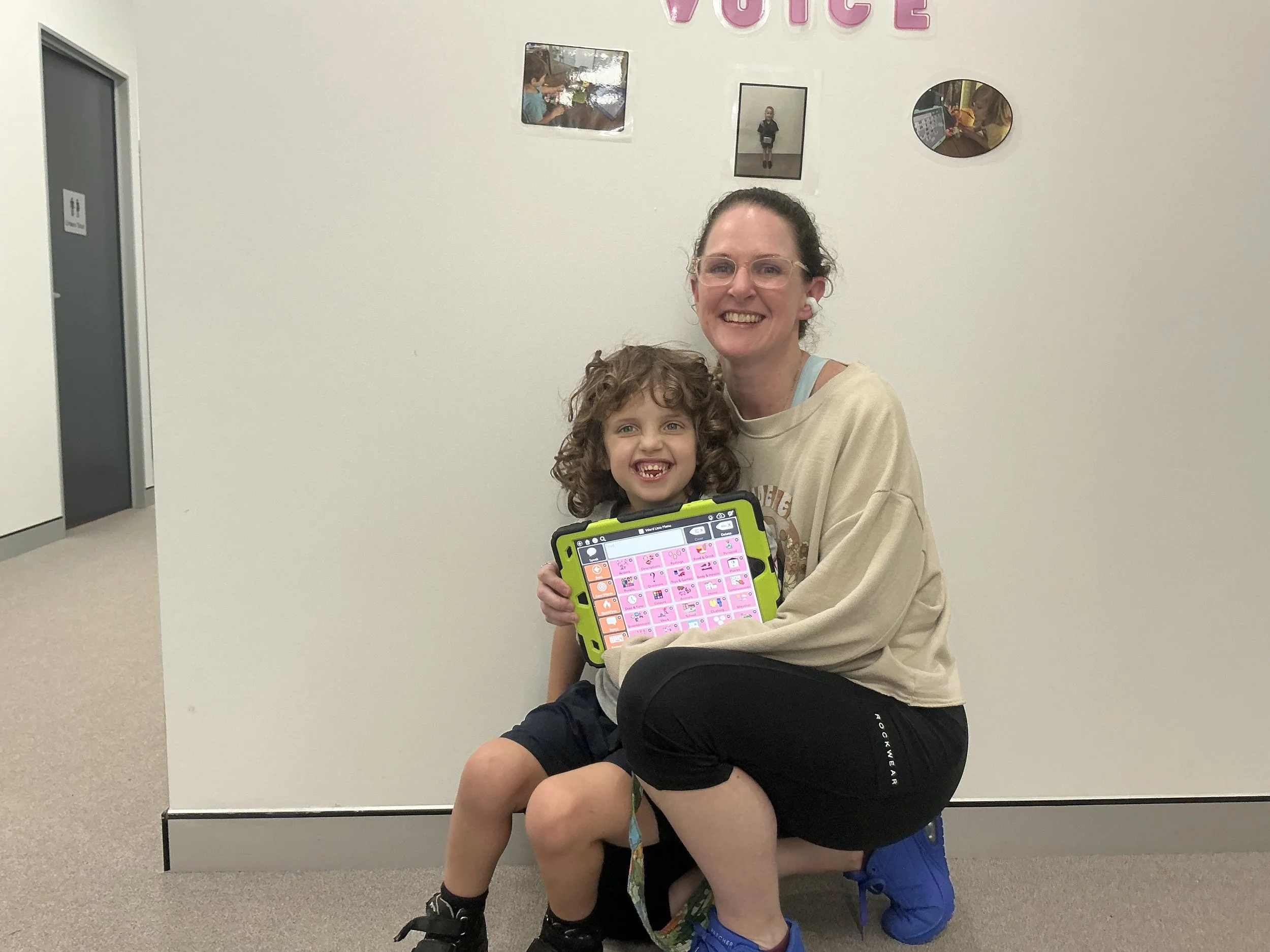
Written by Courtney Haim, Discipline Leader & Speech Pathologist.
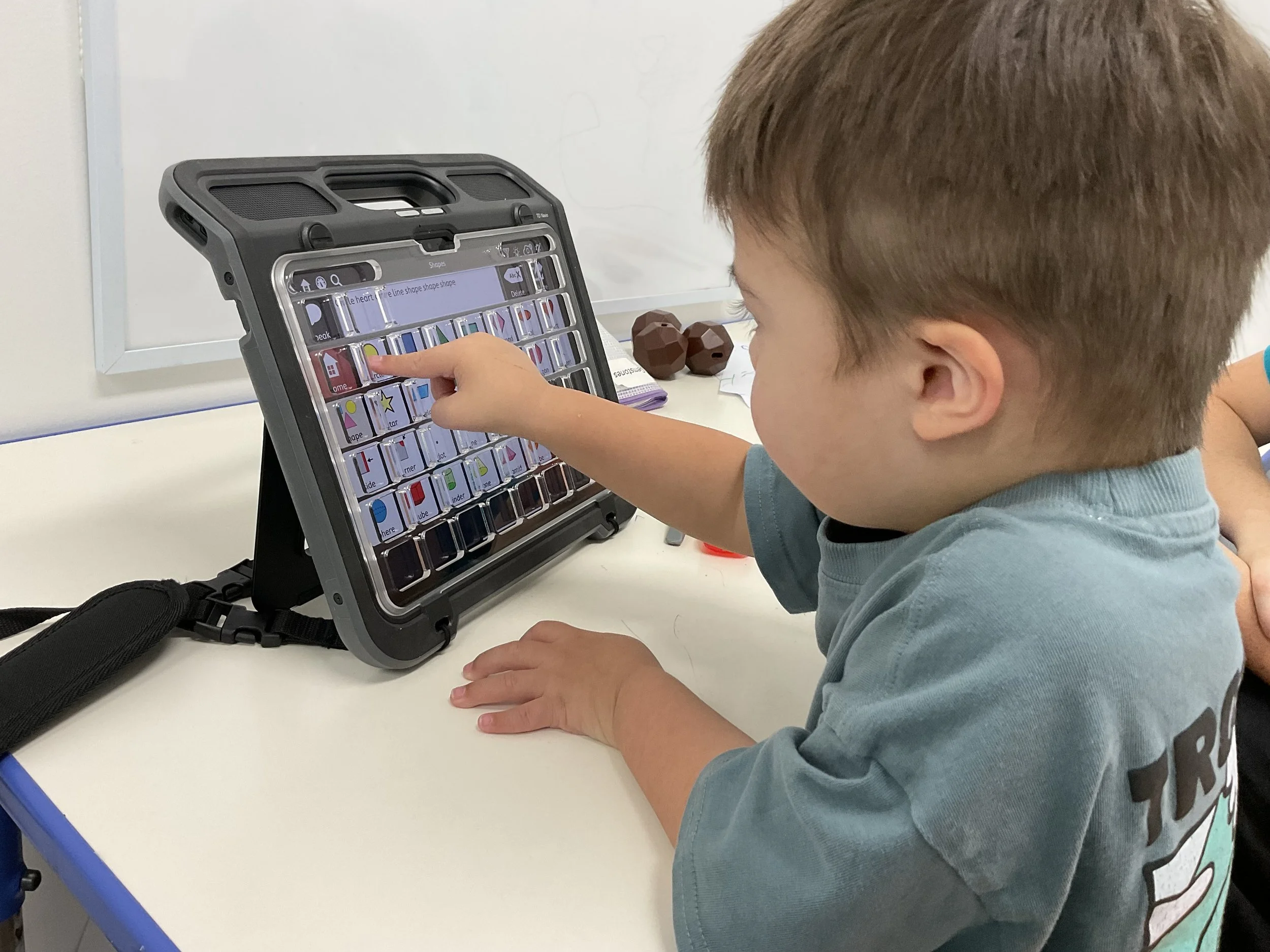
What happens in an AAC parent session?
When a child begins using Augmentative and Alternative Communication (AAC), there can be a lot to learn. Parents and caregivers may wonder how to navigate a communication device, model language and support their child's communication at home.At Lifespan Therapies, AAC parent sessions help families learn about their child's communication system, practise strategies with support and build confidence using AAC in everyday life.
Why do communication partners need to learn AAC too?
Imagine getting a brand-new phone, but nobody around you has the same brand. You have to figure out how everything works yourself, without anyone to show you where to find things or help when something goes wrong. You might become frustrated or return to your old phone because it feels easier and more familiar.
Learning AAC can be similar. Children benefit from seeing other people demonstrate how their communication system works, rather than having to work it out on their own.
Think about how children learn spoken language. From birth, they hear people talking during mealtimes, play, bath time and everyday activities. Adults name objects, describe what they are doing, comment on what they see and respond to children's sounds and gestures. Children receive years of exposure to spoken language before they are expected to use all those words themselves.
Children who use AAC need similar opportunities to see language modelled on their communication system. Modelling involves selecting words on the child's AAC system while speaking naturally. For example, a parent might select MORE while offering another piece of food or GO while pushing a toy car.
The child is not expected to copy these words. Instead, they are being shown how their system can be used to communicate.
When parents, siblings, educators and other important people learn AAC, they create more opportunities for children to see it used throughout the day. Communication partners can also learn to navigate the system, find vocabulary and respond to communication through gestures, facial expressions, vocalisations, speech and AAC.
You do not need to become an AAC expert overnight. Learning alongside your child is a great place to start.
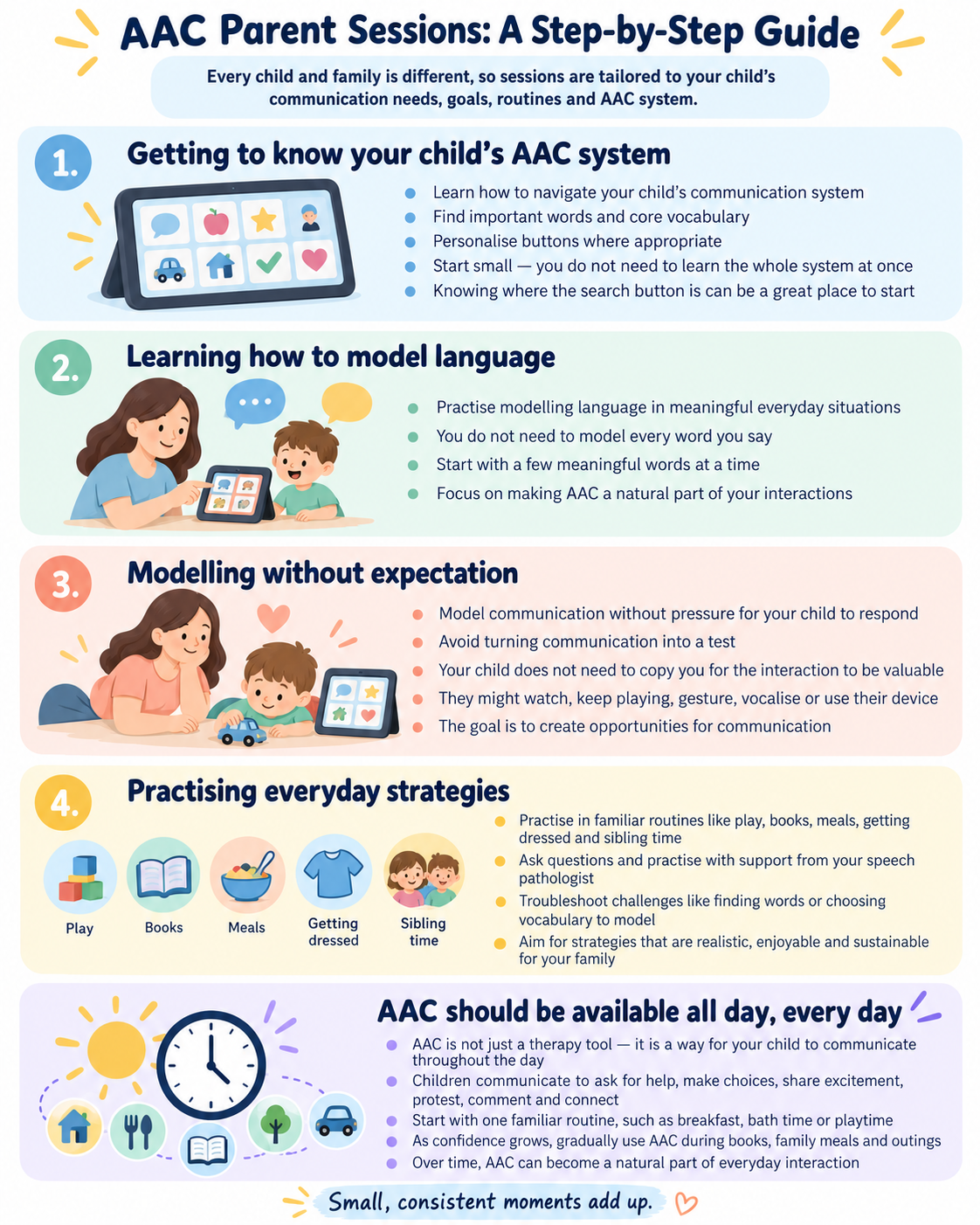
What happens during an AAC parent session?
What if my child doesn't use their device?
Your child does not need to press a button every time you model a word for the interaction to be valuable. They might watch without touching the device, explore it later or begin using a word weeks or months after first seeing it modelled.
Continue making AAC available, modelling meaningful language and responding to your child's communication without pressure.
If your child seems frustrated, has difficulty accessing the system or rarely engages with it, speak with your speech pathologist. Together, you can explore whether the vocabulary, access method, positioning or communication approach needs adjusting.
The focus should always be on supporting your child's ability to communicate, rather than measuring success by how often they use their device.
Supporting your child's communication journey
AAC parent sessions help families feel confident and supported in creating meaningful communication opportunities. You do not need to be an expert or turn your home into a therapy room. Start small, practise alongside your child and gradually build AAC into your daily interactions.
At Lifespan Therapies, we work collaboratively with families to support each child's communication journey. If you would like to learn more about AAC parent sessions, speak with your speech pathologist about the next steps.