
Baby & Infant Development Support in Brendale
Guiding families through movement, feeding, communication and developmental milestones from birth to 18 months
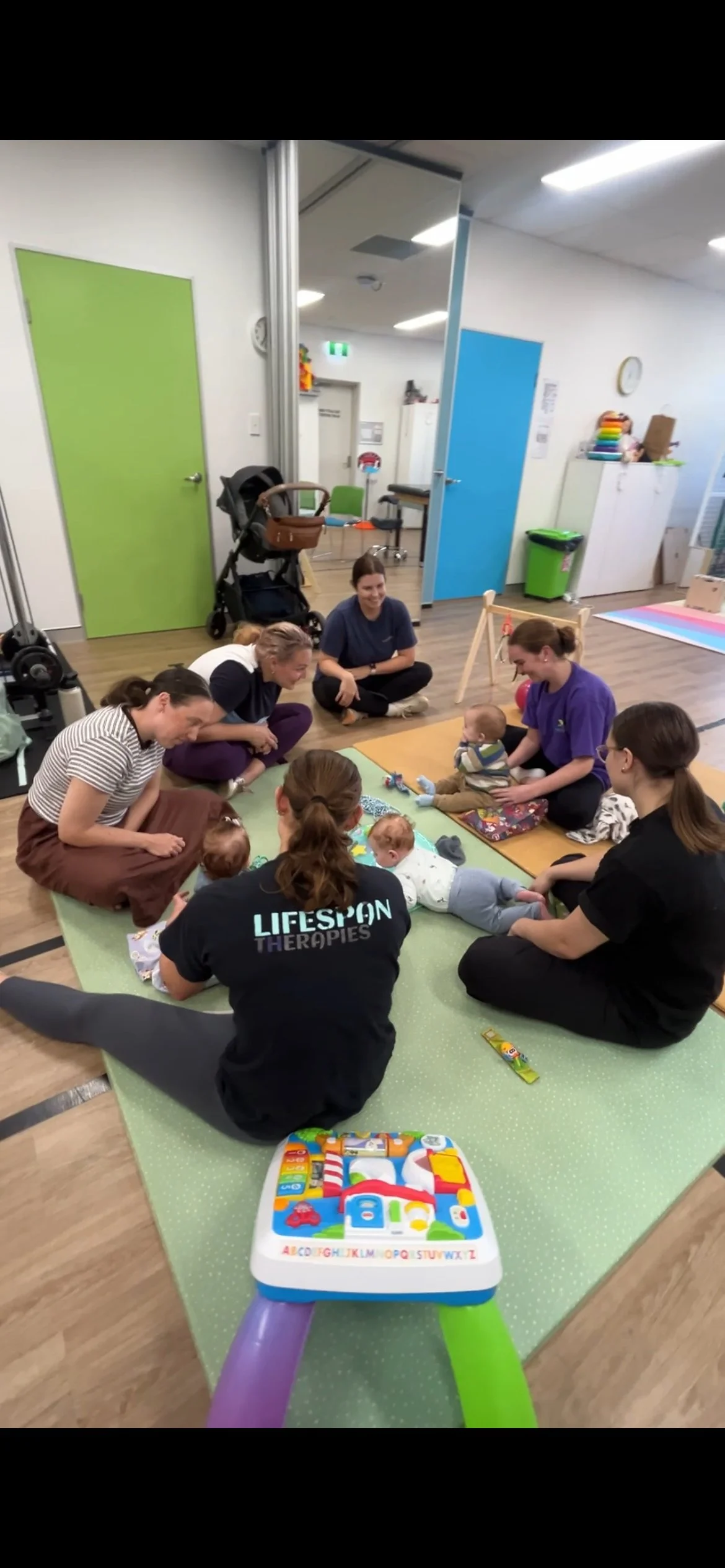
Lifespan Therapies supports babies and young toddlers across Brendale and the Moreton Bay region through paediatric physiotherapy, occupational therapy, speech pathology and developmental check-ins. Families can access support for movement, feeding, communication, play, regulation and early developmental milestones from birth to 18 months.
Not sure whether you need support?
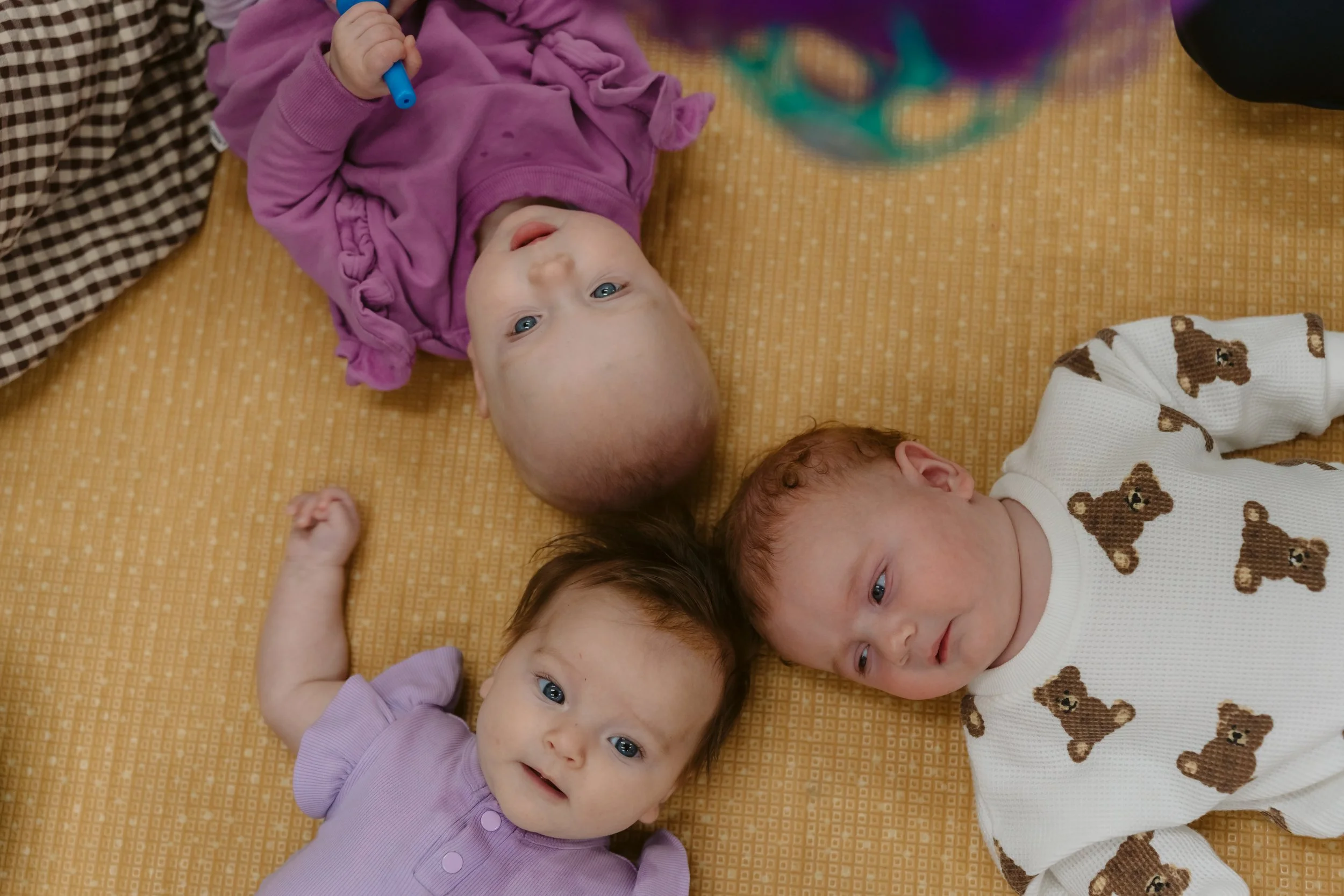
Many families contact us because they have questions, not concerns.
You may be wondering:
Is my baby meeting their milestones?
Why does my baby dislike tummy time?
Should I be worried about their head shape?
Feeding feels harder than expected
My baby isn’t babbling yet
Do I need support or simply reassurance?
Sometimes a check-in provides peace of mind. Other times early support can make a big difference

Development Doesn’t Happen in Separate Boxes
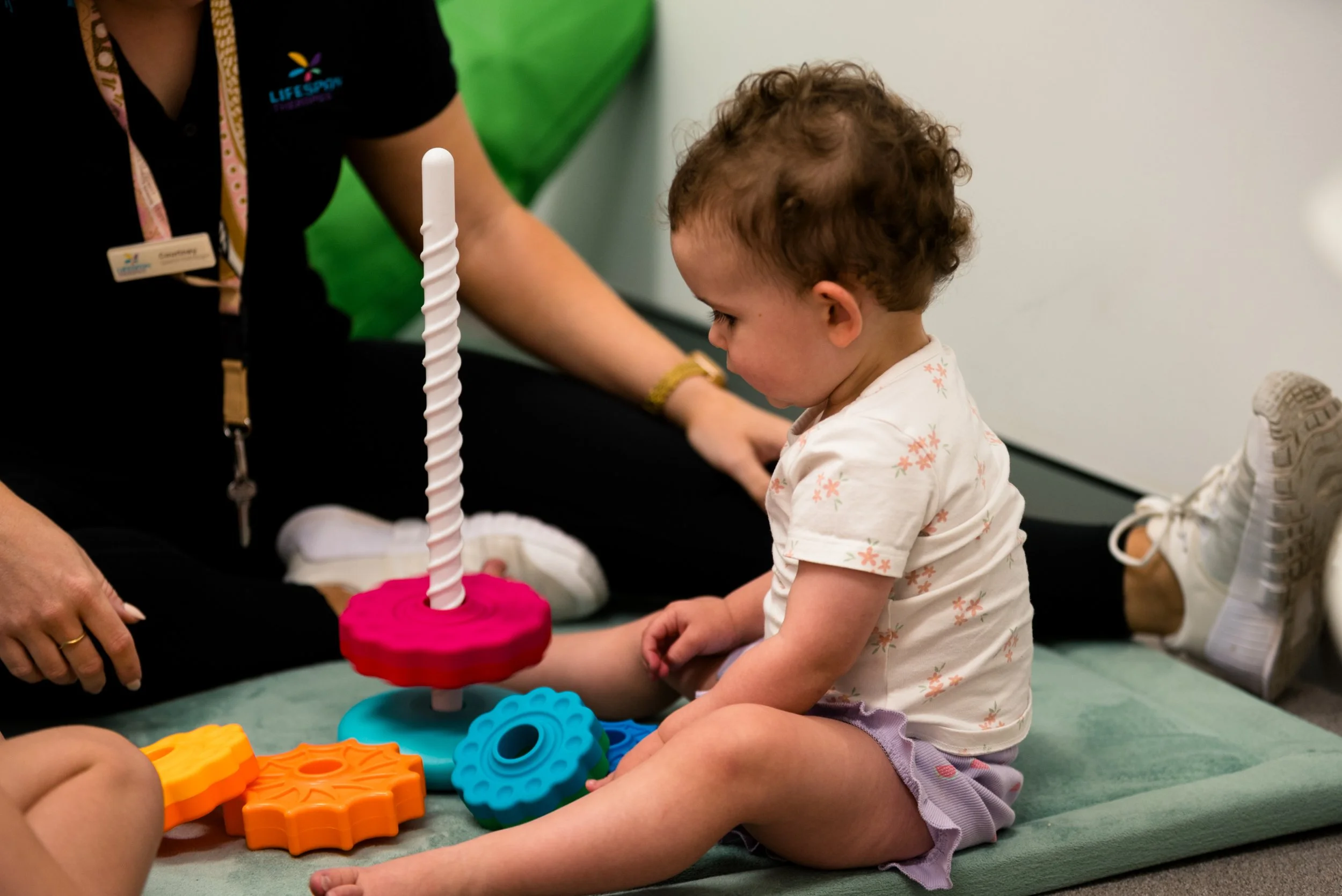
Movement, feeding, communication, play and regulation all influence one another.
A baby who finds tummy time difficult may have fewer opportunities to explore their environment.
A child experiencing feeding challenges may also be developing communication and social skills through mealtimes.
Development is connected.
That is why our paediatric physiotherapists, occupational therapists and speech pathologists collaborate when a combined perspective can help support movement, feeding, communication, regulation and participation.
Ways We Can Support Your Family
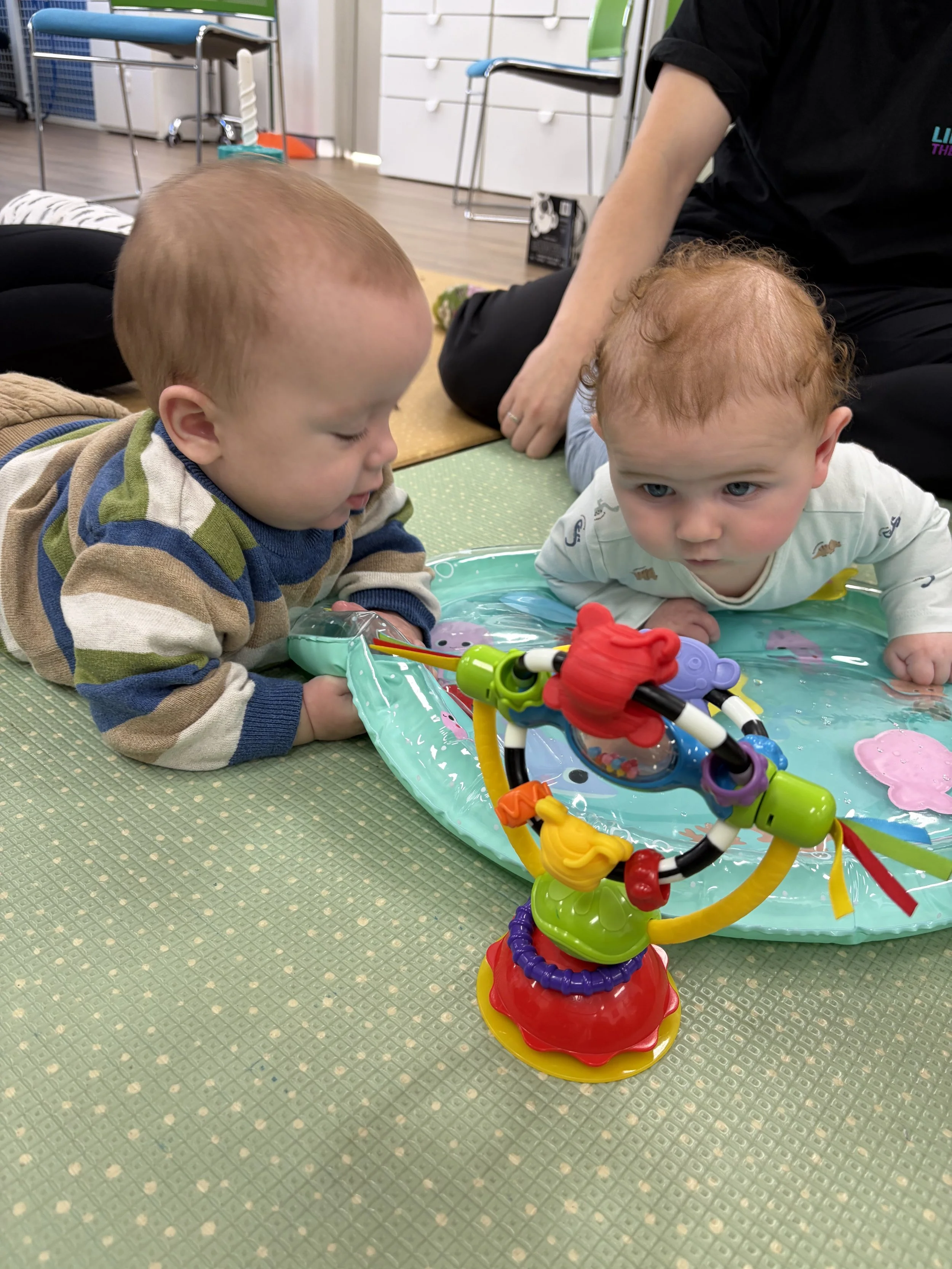
Developmental Check-Ins
Guidance, reassurance and developmental monitoring for babies and young toddlers. Perfect for families who have questions about development and aren't sure whether support is needed.
Movement & Physical Development
Support with positioning, tummy time, motor skills, mobility and physical milestones from birth through toddlerhood.
Feeding, Communication & Interaction
Support with feeding, early communication, language development and social connection through everyday routines.
Play, Regulation & Participation
Support with sensory experiences, play skills, engagement, self-feeding, routines and participation in daily activities.
Many families engage with one area of support, while others benefit from a collaborative approach across Physiotherapy, Occupational Therapy and Speech Pathology. We work together to identify the support that best suits your child and family.
Monthly Baby Development Drop-In Sessions in Brendale
First session free • Ongoing sessions $15
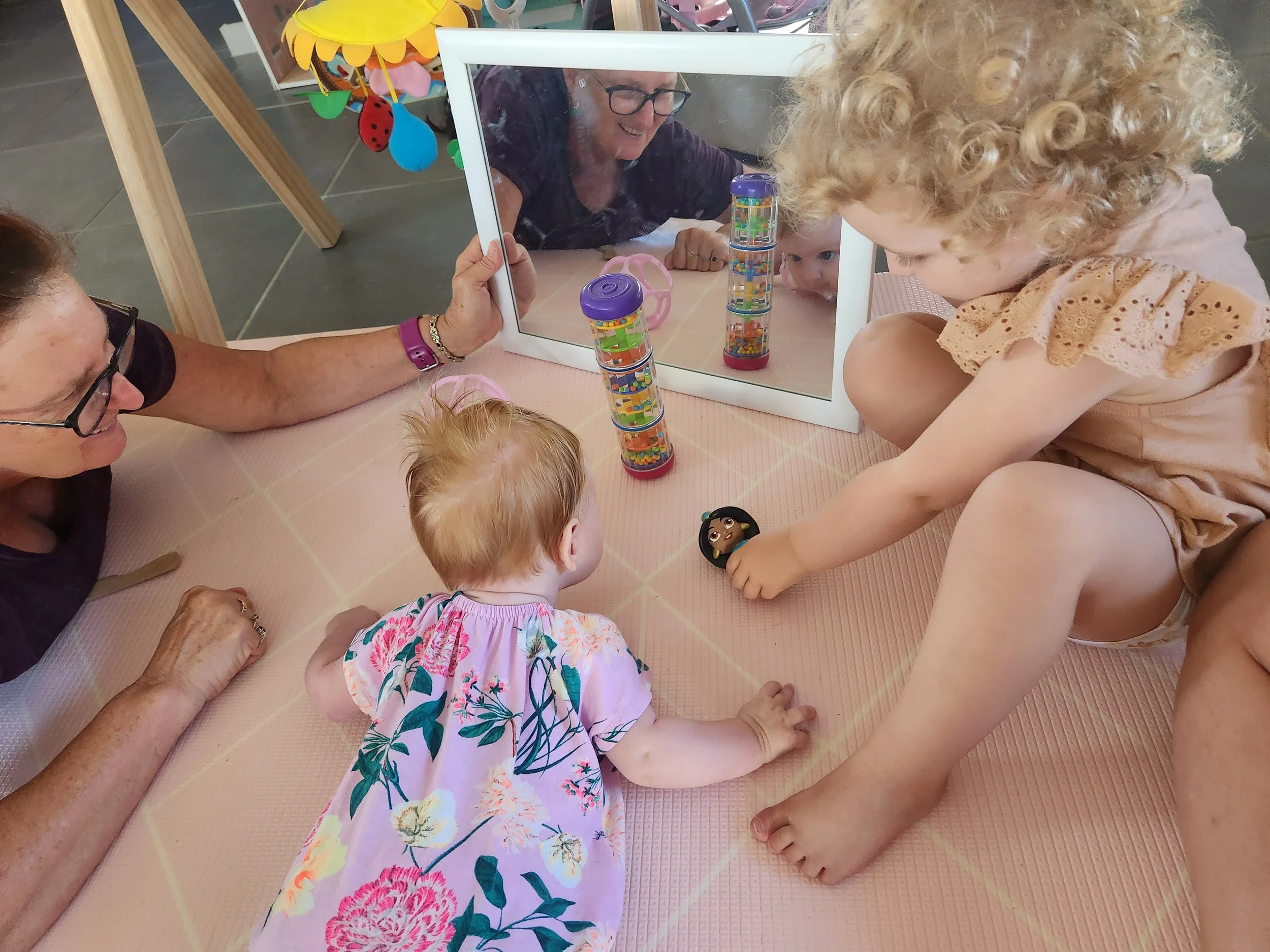
A relaxed and supportive opportunity for parents and caregivers to discuss their baby's development, ask questions and learn from our Physiotherapists, Occupational Therapists and Speech Pathologists.
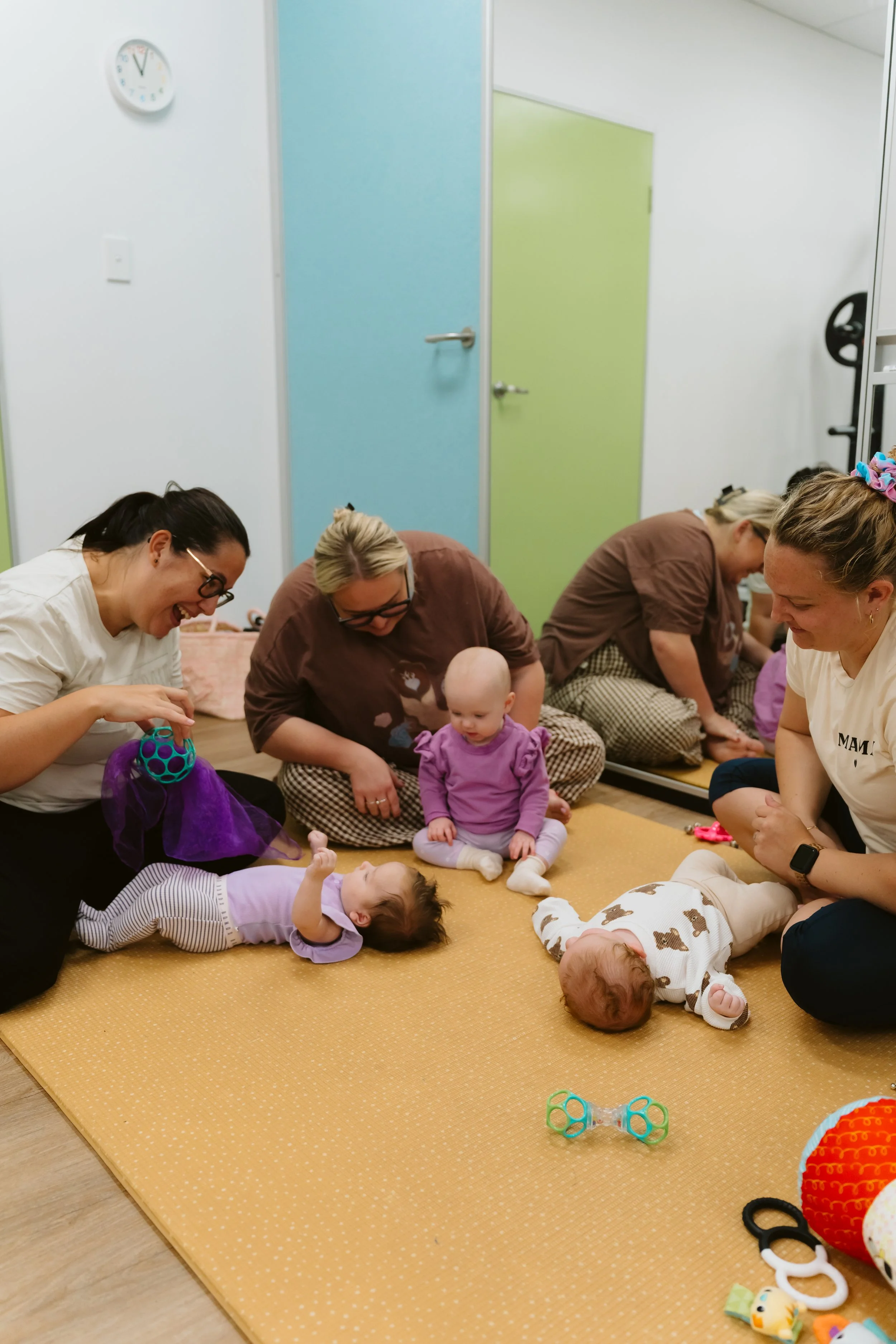
These small-group sessions provide practical guidance on topics such as:
✓ Tummy time and motor development
✓ Feeding and introducing solids
✓ Communication and early language
✓ Play, regulation and engagement
✓ Developmental milestones
✓ Common parent concerns
Who are these sessions for?
✓ Expectant parents
✓ Babies and toddlers up to 18 months
✓ Families wanting reassurance or developmental guidance
Families are welcome to ask questions and discuss their child's development in a supportive environment alongside other parents and caregivers.
Where additional support may be beneficial, we can discuss developmental check-ins or individual assessment options.
Common Questions in the First 18 Months
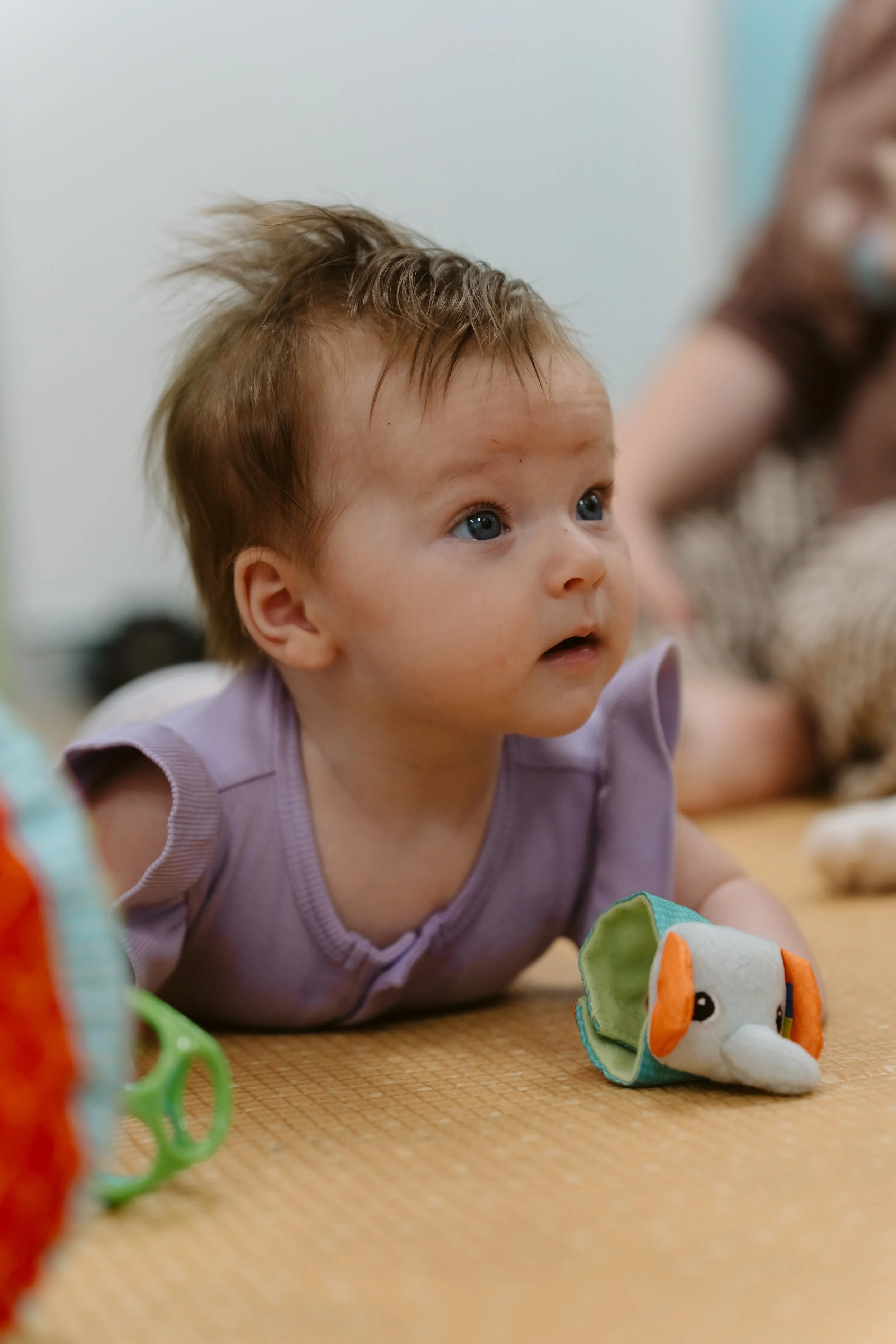
Birth-6 Months
✓ Tummy time struggles
✓ Head preference or flat spots
✓ Feeding difficulties
✓ Reflux and positioning concerns
✓ Delayed head control
✓ Early interaction and engagement
✓ Regulation and settling
✓ Questions about development
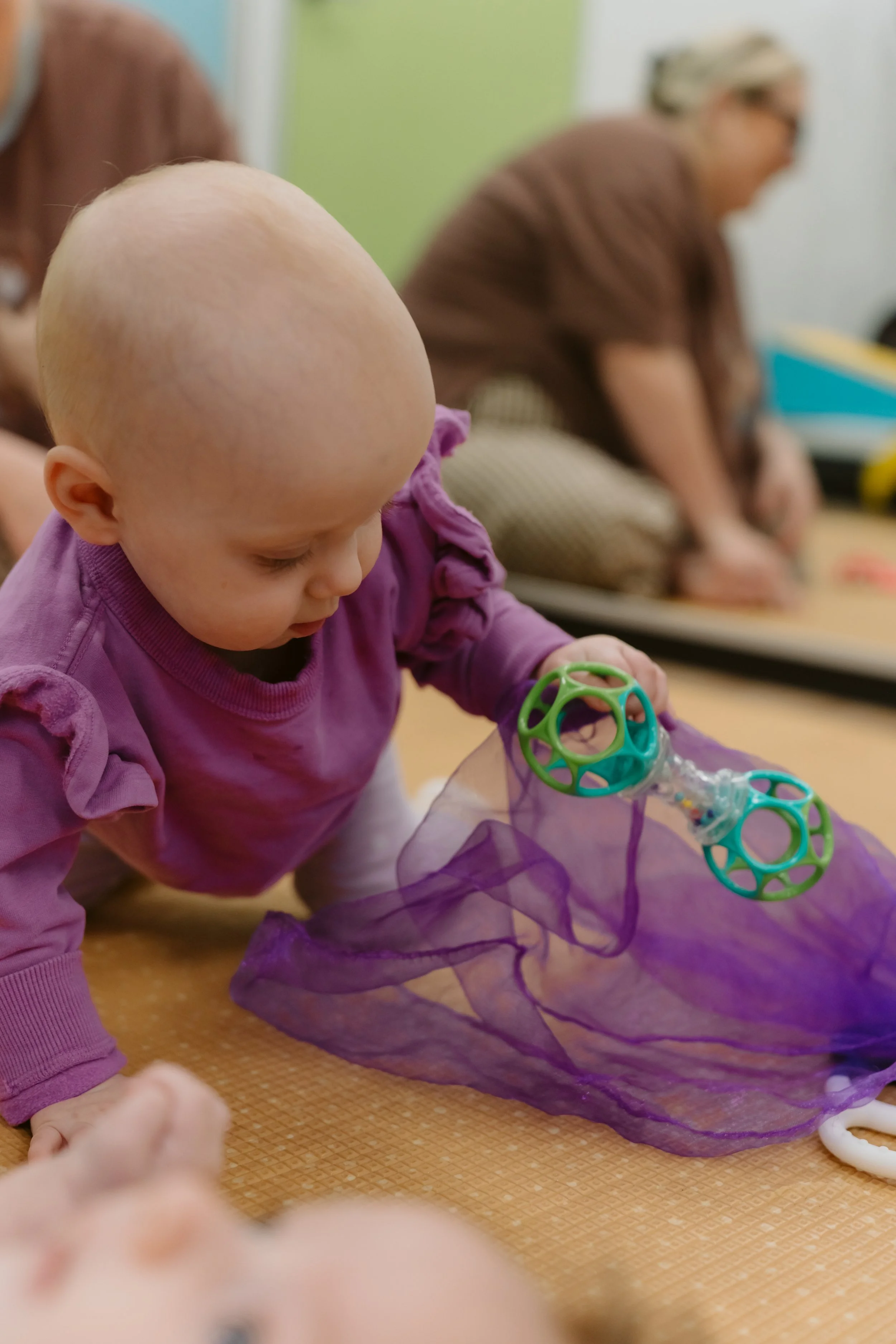
6-12 Months
✓ Rolling, sitting or crawling concerns
✓ Introducing solids
✓ Gagging or texture progression
✓ Limited babbling
✓ Play and exploration
✓ Sensory experiences
✓ Early communication concerns
✓ Motor milestone questions
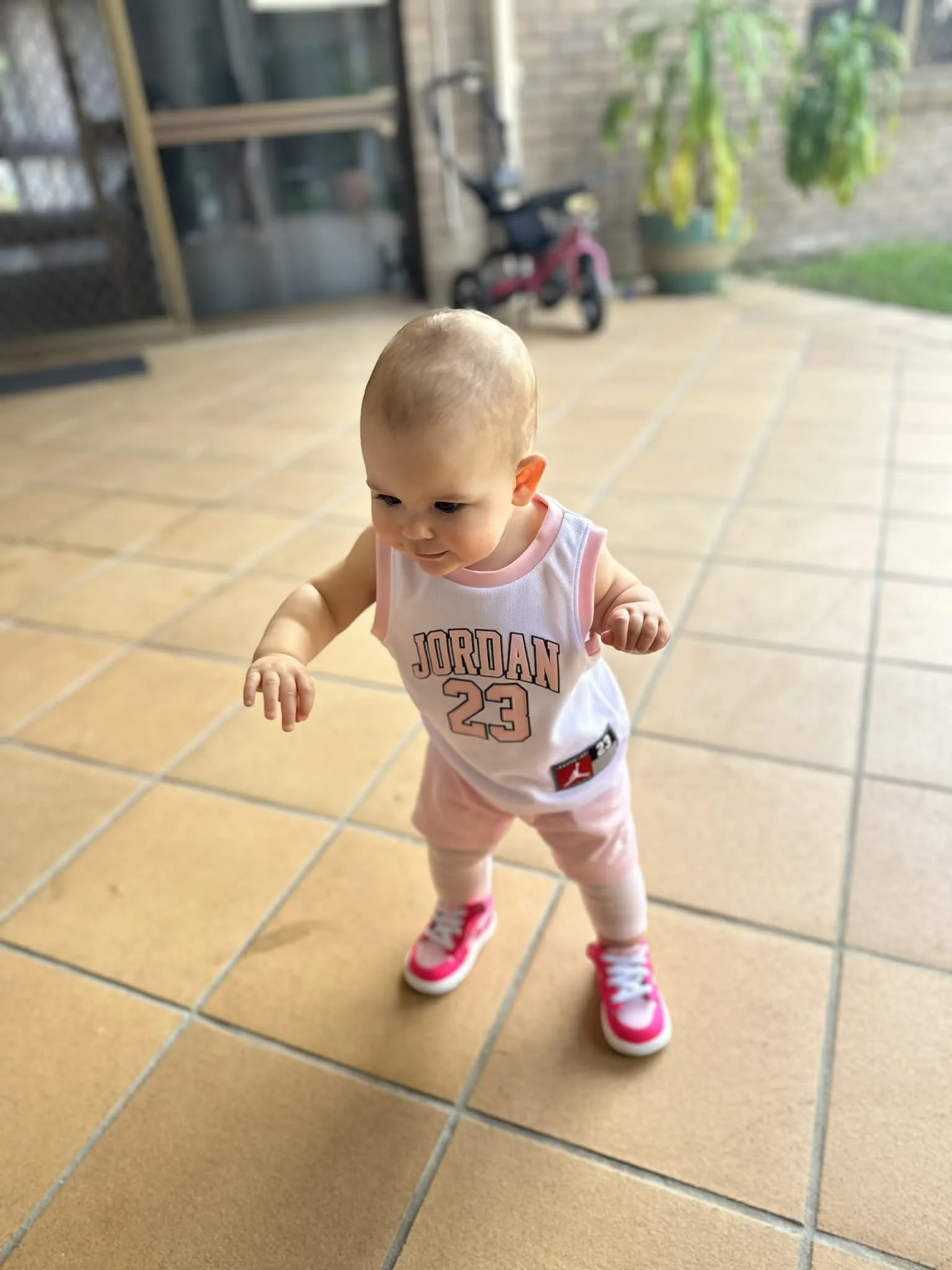
12-18 Months
✓ Walking and movement confidence
✓ First words and communication
✓ Following instructions
✓ Play and social interaction
✓ Feeding progression
✓ Daily routines and participation
✓ Independence skills
✓ Limited gestures or first words
✓ Not walking or crawling yet
Supporting Babies With Additional Needs
Some families come to us following a diagnosis or recommendation from a paediatrician, child health nurse or medical specialist.
We support babies and young children with:
Prematurity and NICU graduates
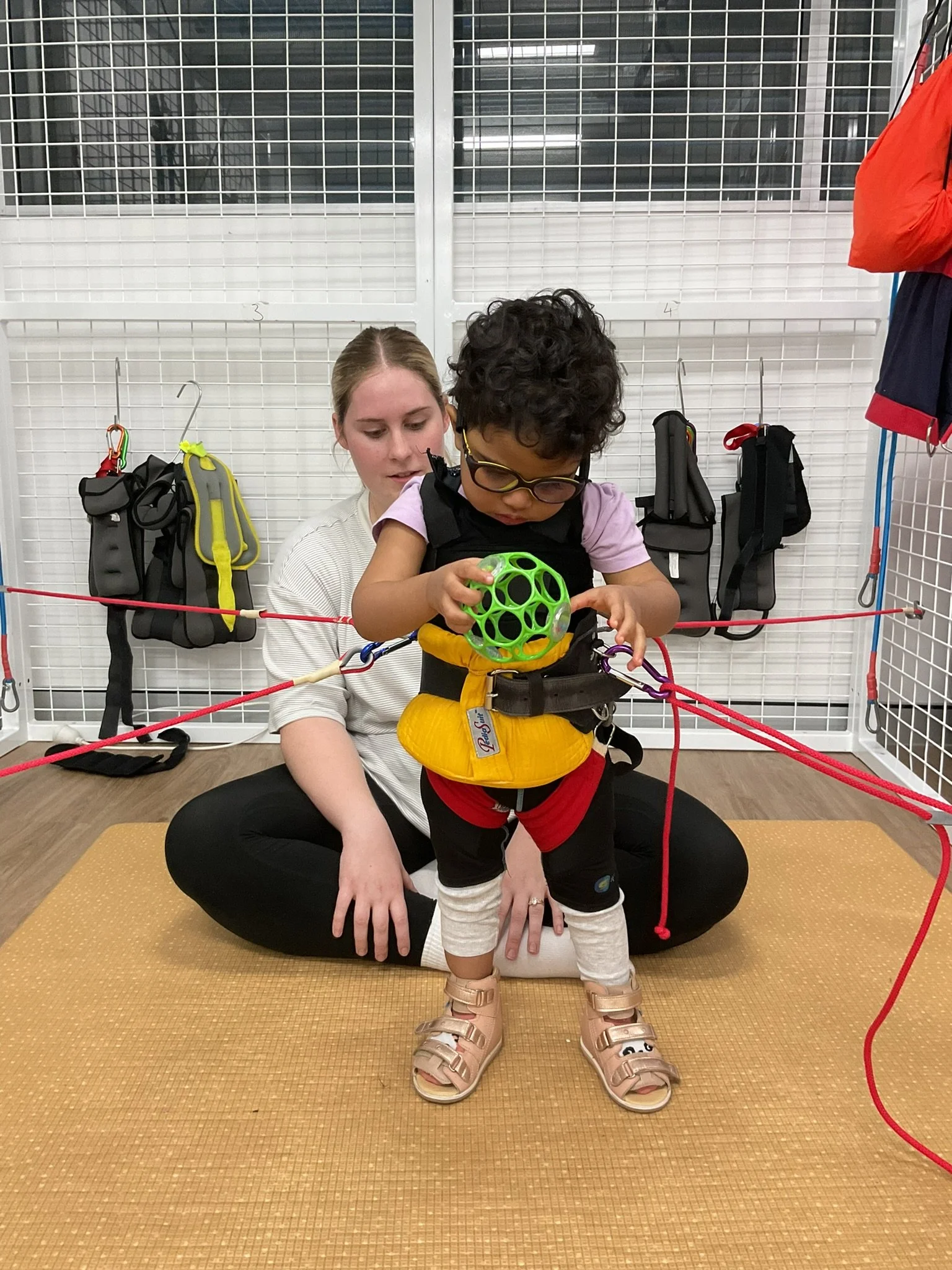
Cerebral Palsy, Spina Bifida and other neurological conditions
Congenital CMV, Genetic Conditions & Syndromes
Hydrocephalus & VP Shunts
Tube Feeding, supplemental oxygen and complex medical needs
Developmental delay and other identified developmental needs
Our paediatric physiotherapists, occupational therapists and speech pathologists collaborate with families, paediatricians and healthcare teams to support development, participation and family confidence from the earliest months of life.
Why Families Choose Lifespan
Physiotherapy, Occupational Therapy and Speech Pathology working collaboratively when needed
Developmental check-ins without needing a diagnosis
Practical strategies families can use at home
Support that can change as your baby grows
Experience supporting both common developmental questions and complex medical needs
Ongoing pathways from infancy through childhood
Not Sure Whether to Book?
If you’re wondering whether your concern is “big enough”, that’s often reason enough to reach out.
We can help you determine whether a Developmental Check-In, Baby Development Session or ongoing support is the right next step.
How It Works
Join a Baby Development Drop-In Session or contact our team
Developmental Check-In (if recommended or desired)
Individualised guidance and recommendations
Ongoing support if beneficial
Paediatric Allied Health in Brendale & Moreton Bay
Lifespan Therapies supports families from Brendale, Strathpine, North Lakes and surrounding North Brisbane communities.
We collaborate with families and community partners to ensure therapy translates into meaningful everyday participation.
Book a Paediatric Allied Health Appointment
READY TO TAKE THE NEXT STEP?
If you would like to explore Paediatric Physiotherapy, Occupational Therapy or Speech Pathology support for your child, we welcome your enquiry.