
Toddler Development Support in Brendale
Supporting communication, play, movement, feeding, regulation and independence for toddlers aged 18 months to 4 years.
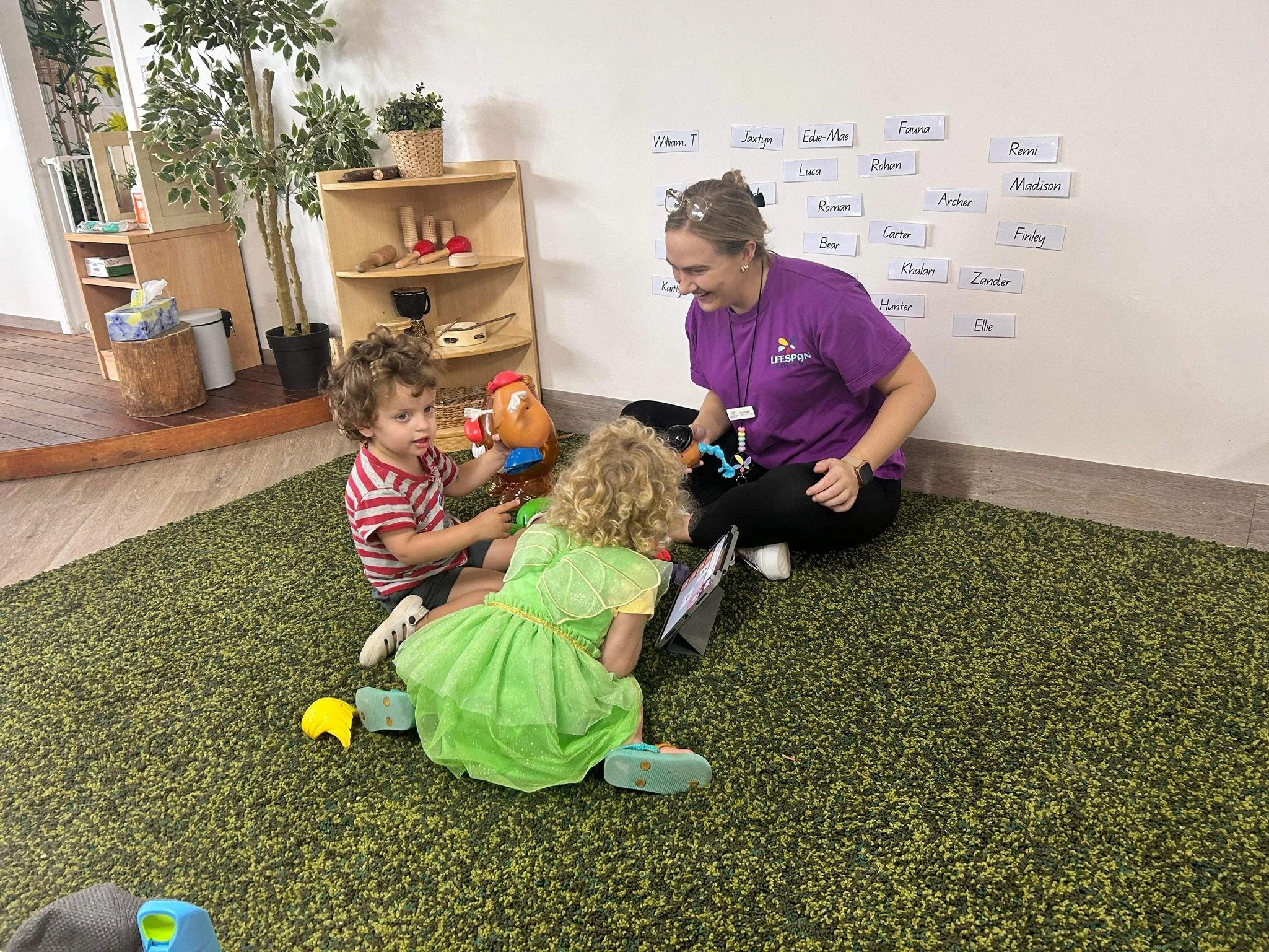
Lifespan Therapies supports toddlers across Brendale and the Moreton Bay region through paediatric physiotherapy, occupational therapy, speech pathology and developmental check-ins. Families can access support for communication, movement, feeding, play, regulation, independence and everyday participation from 18 months to 4 years.
The Right Support May Look Different for Every Family
Not every toddler needs weekly therapy, and the right type of support may change as your child grows. Depending on your child’s needs, goals and stage of development, support might include a developmental check-in, individual therapy, parent education or coaching, practical home strategies, consultation with educators, or monitoring over time.
For some families, a small amount of guidance and reassurance is enough. For others, a period of more regular therapy may be helpful. Our role is to help work out what is most useful now, rather than assuming more therapy is always better.
Not sure whether you need support?
You may be wondering:
Why isn't my child talking yet?
Why do they get frustrated so easily?
Why are transitions so difficult?
Why do they only eat a few foods?
Why don't they play with other children?
Should I be worried or keep waiting?
Is this typical toddler behaviour?
Does your toddler seem clumsy or struggle with stairs?
Struggles with everyday independence like dressing, toileting or mealtimes
Development Doesn’t Happen in Separate Boxes
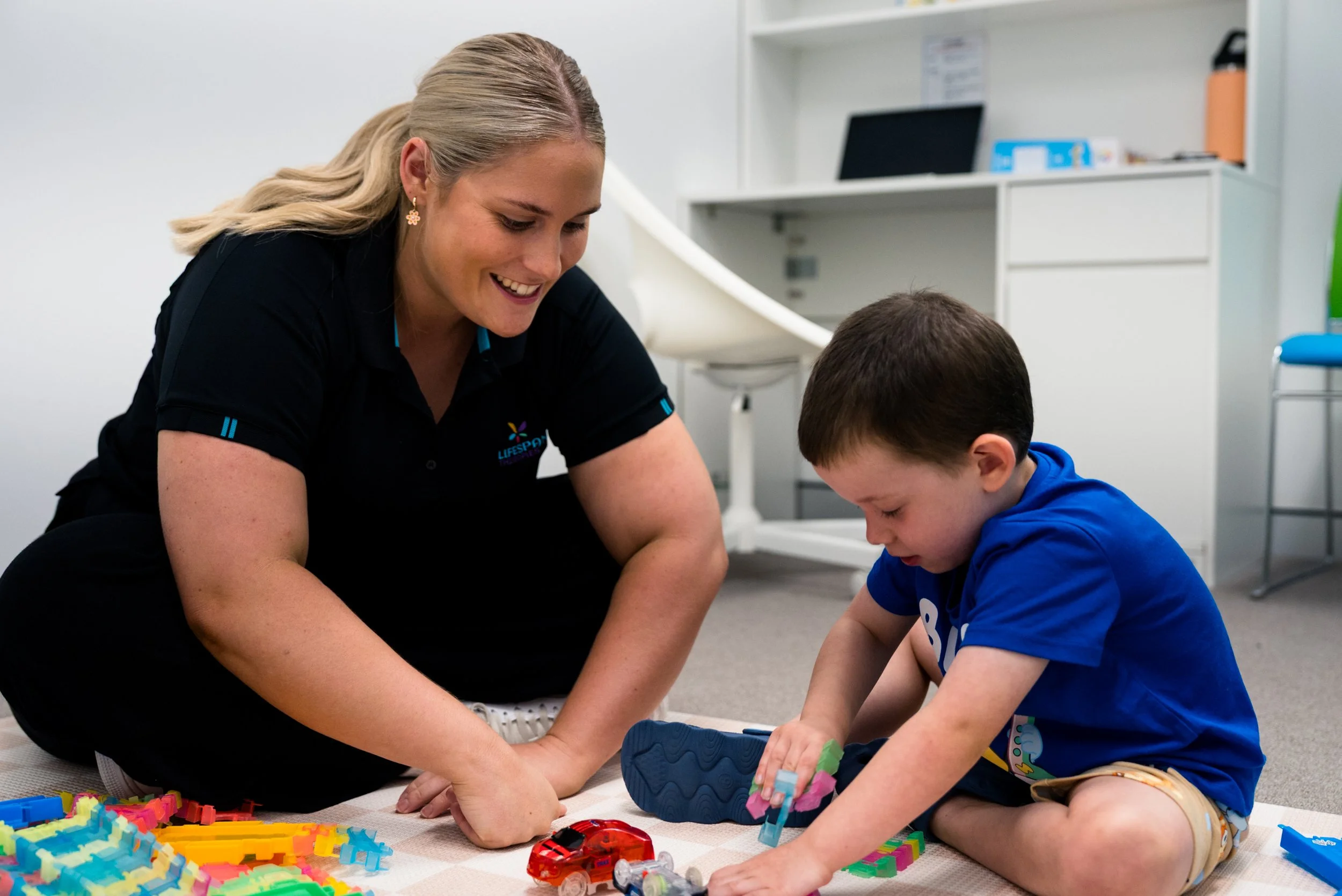
Communication, movement, play, regulation and independence all influence one another.
A toddler who struggles to communicate may become frustrated more easily. A child who finds sensory experiences overwhelming may have difficulty participating in play and everyday routines.
TThat’s why our paediatric physiotherapists, occupational therapists and speech pathologists collaborate when a combined perspective can help support communication, movement, regulation, feeding and everyday participation.
Toddler Development from 18 Months to 4 Years
Every Child Develops Differently
Every child develops at their own pace. These are some of the skills and experiences families commonly notice as toddlers grow and become more independent.
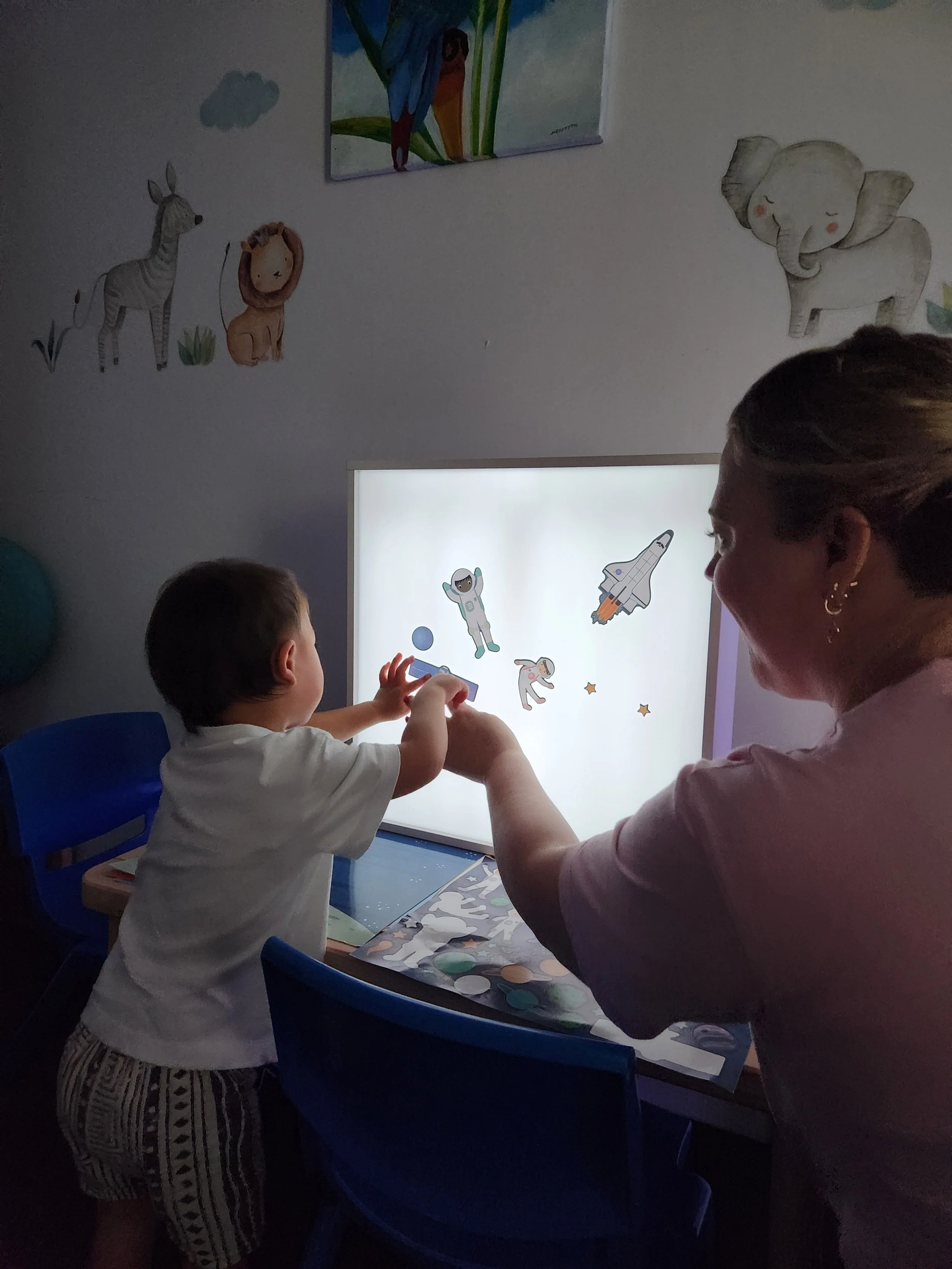
18-24 Months
First words emerging
Following simple directions
Gestures and early communication
Play development
Frustration and communication
Mealtime and texture challenges
Growing confidence with walking, climbing and playgrounds
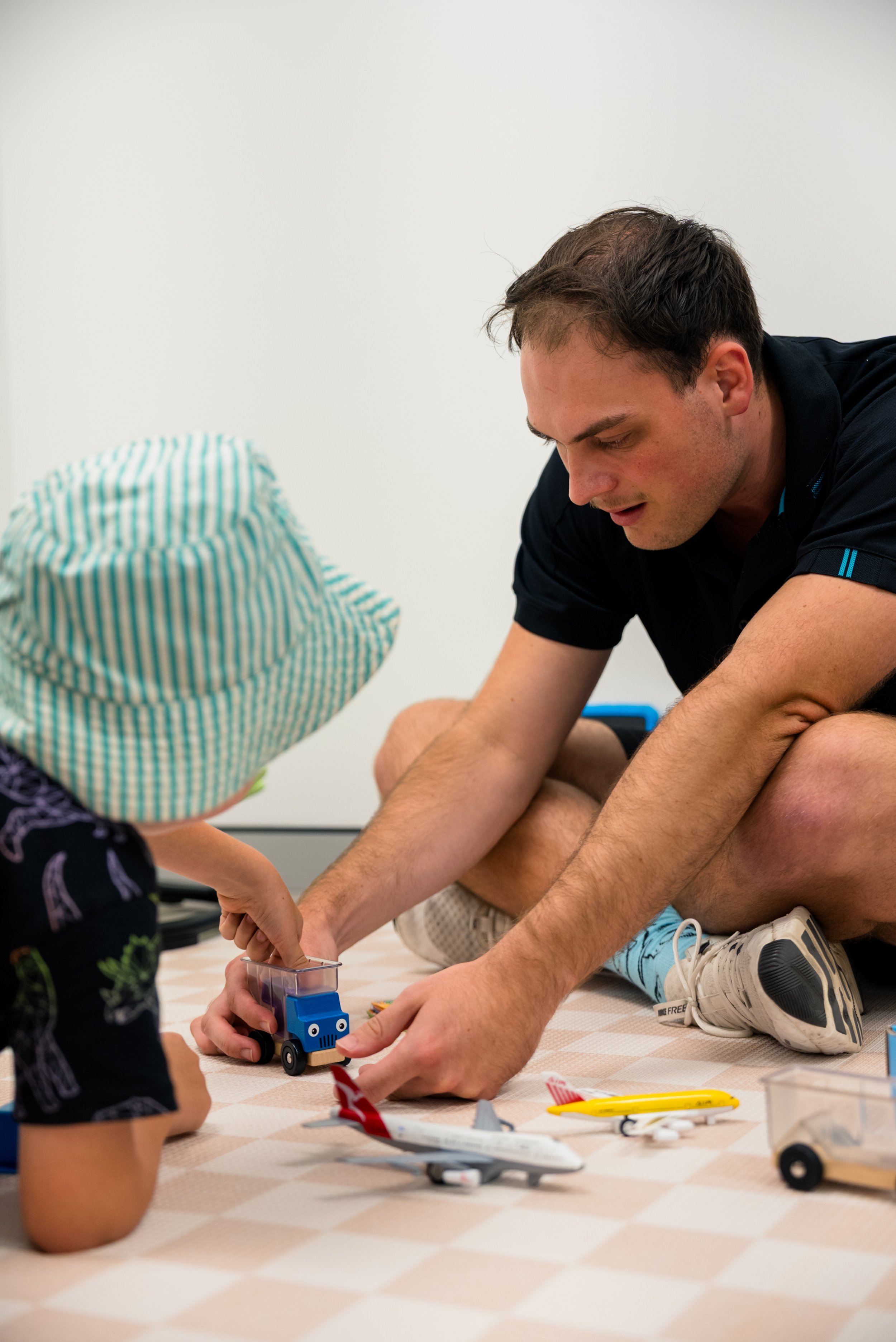
2-3 Years
Language growth
Social interaction
Big emotions
Sensory sensitivities
Independence skills
Toilet training and self-care skills
Developing imagination and pretend play
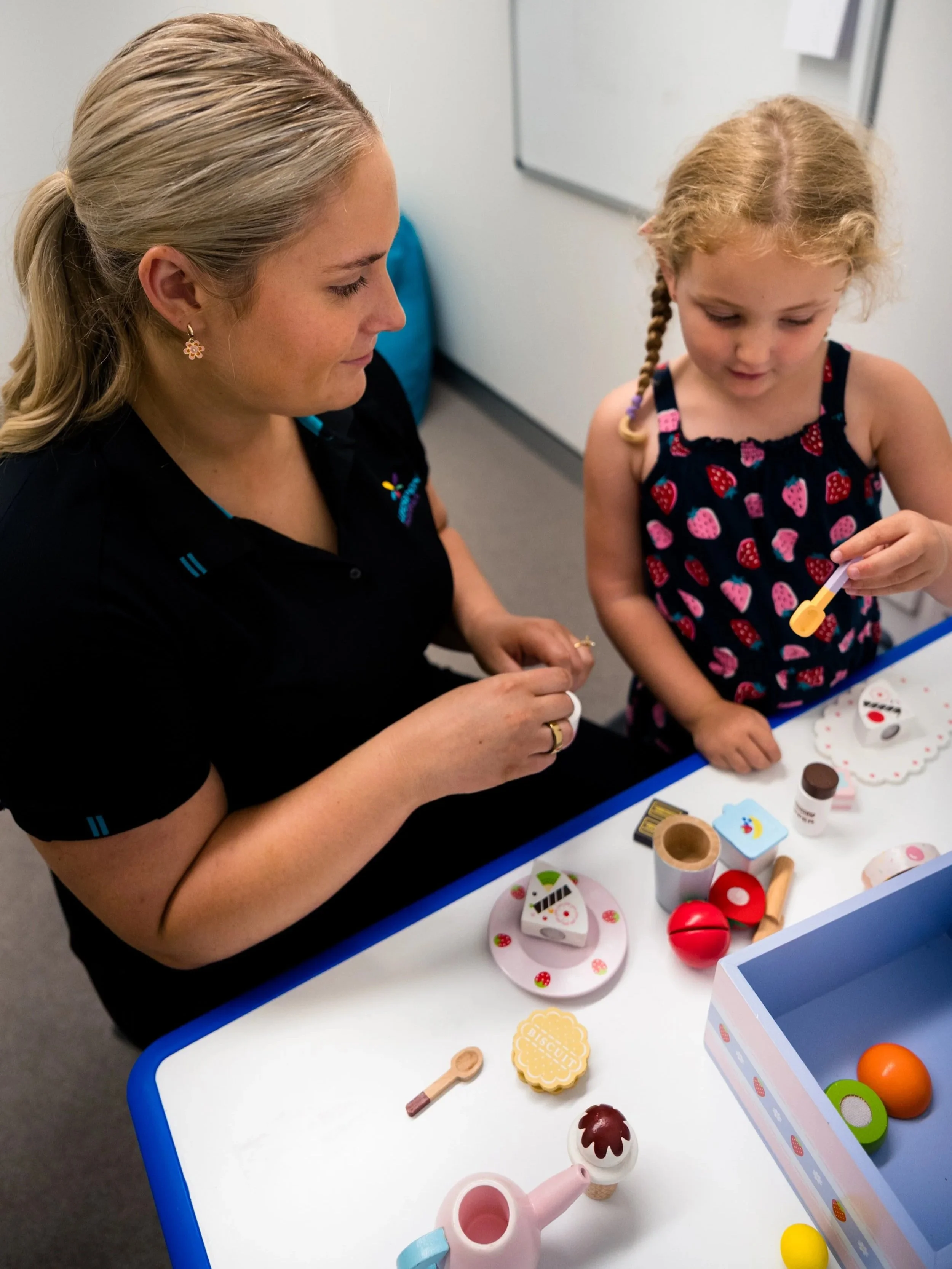
3-4 years
Group participation
Following routines and transitions
Communication confidence
Attention and regulation
Early friendships
School readiness foundations
How Paediatric Allied Health Can Support Toddlers
Our Physiotherapists, Occupational Therapists and Speech Pathologists support toddlers with:
✓ Communication and language development
✓ Play and social interaction
✓ Movement and coordination
✓ Feeding and mealtime participation
✓ Regulation and sensory processing
✓ Independence and daily routines
Which Therapy Might Help My Toddler?
Paediatric Physiotherapy may support:
Delayed walking
Frequent falls
Balance and coordination
Climbing, running and jumping
Movement confidence.
Occupational Therapy may support:
Regulation
Sensory differences
Play
Fine motor skills
Self-care and everyday independence.
Speech Pathology may support:
Late talking
Speech clarity
Understanding language
Social communication
Feeding and mealtime concerns.
You do not need to decide which discipline your child needs before contacting us. Tell us what you have noticed and our team can help guide the next step.
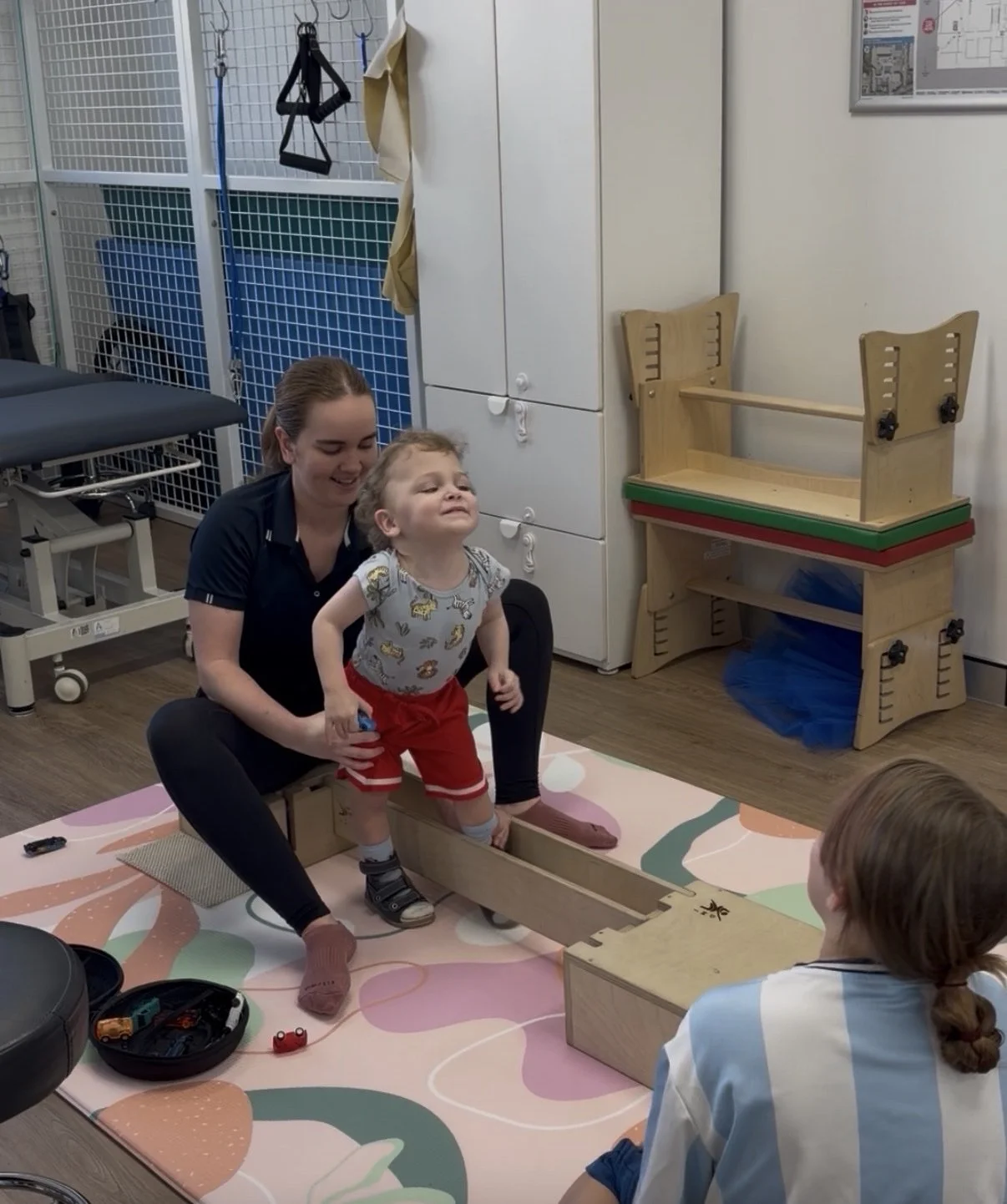
Occupational Therapy may support:
Regulation
Sensory differences
Play
Fine motor skills
Self-care and everyday independence.
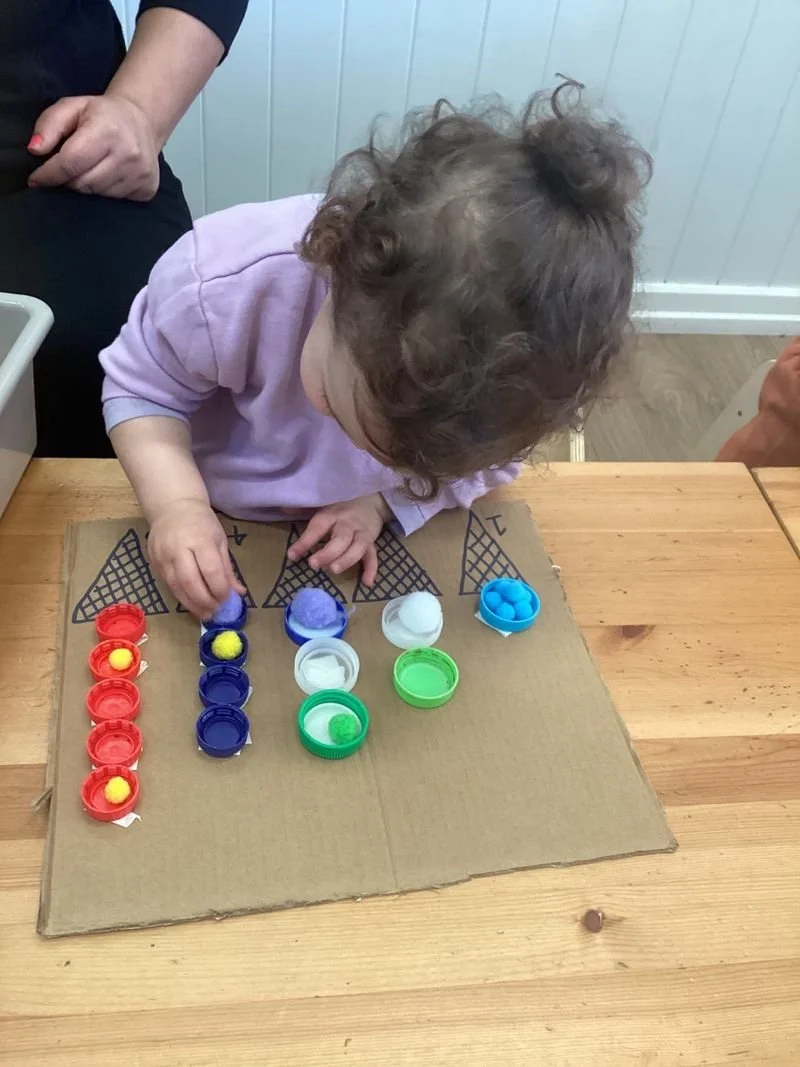
Speech Pathology may support:
Late talking
Speech clarity
Understanding language
Social communication
Feeding and mealtime concerns.
You do not need to decide which discipline your child needs before contacting us. Tell us what you have noticed and our team can help guide the next step.
Supporting Toddlers With Additional Needs
Families may access support following recommendations from paediatricians, child health teams, educators or other health professionals.
We support toddlers with:
Autism
Developmental delay
Cerebral palsy
Genetic conditions and syndromes
Prematurity and NICU graduates
Complex medical needs
Feeding and communication challenges
Our Physiotherapists, Occupational Therapists and Speech Pathologists work collaboratively with families, paediatricians and healthcare teams to support development, participation and family confidence from the earliest months of life.
Why Families Choose Lifespan
Physiotherapy, Occupational Therapy and Speech Pathology collaborating when needed
Developmental check-ins without needing a diagnosis
Practical strategies for home and everyday routines
Parent coaching and education
Support that can change as your toddler grows
Pathways from toddlerhood into preschool and school-age support
How Toddler Development Support Works
Contact our team or book a Developmental Check-In
Talk though what you have noticed
Receive individualised guidance and recommendations
Access ongoing therapy or monitoring only if beneficial
Not Sure Whether to Book?
Many families contact us because something doesn't quite feel right, but they're not sure whether they should be concerned.
You might have questions about communication, behaviour, play, feeding, movement, sensory processing or everyday independence.
A developmental check-in can provide reassurance, practical strategies or help identify whether further support may be beneficial.

Serving Families Across Brendale and Moreton Bay Region
Lifespan Therapies supports families from Brendale, Strathpine, North Lakes and surrounding North Brisbane communities in the Moreton Bay Region.
We collaborate with families, educators and community partners to ensure therapy supports meaningful participation in everyday life.
Book a Paediatric Allied Health Appointment
READY TO TAKE THE NEXT STEP
If you would like to explore Paediatric Physiotherapy, Occupational Therapy or Speech Pathology support for your child, we welcome your enquiry.