
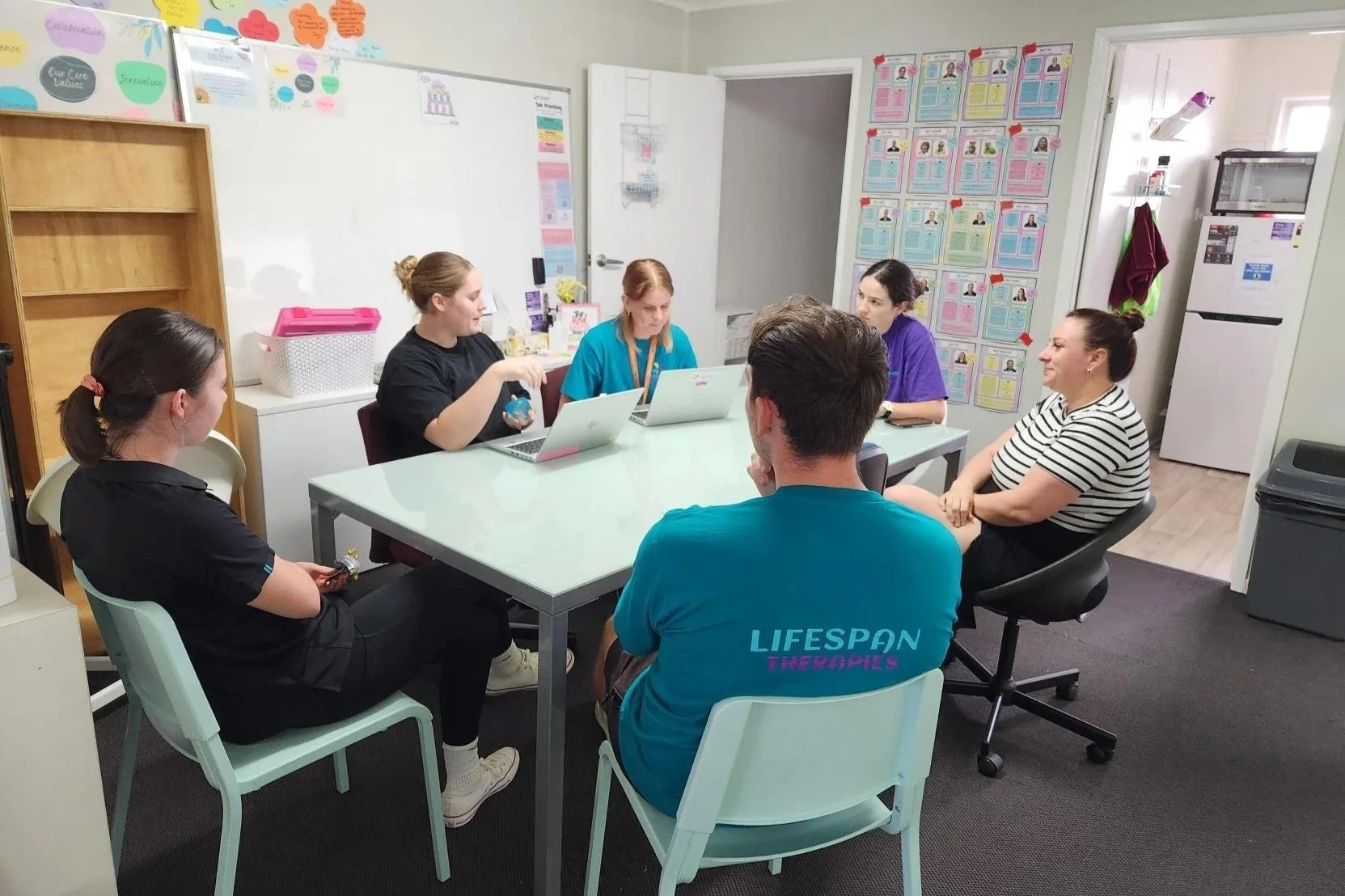
Because meaningful progress is about more than what happens in the therapy room.
Your child might be making wonderful progress during their physiotherapy, occupational therapy or speech pathology sessions. But how do we know those changes are making a difference in everyday life?
Are mornings getting easier? Is your child becoming more confident at school? Are they communicating their needs more effectively? Are they participating more independently in family and community activities?
These are the changes that matter most, and they’re not always things your therapist can see during an appointment. Therapists typically see your child once a fortnight (or week) a lot can happen across two weeks, let alone 12!
That’s why regular Progress & Priorities Reviews are an important part of therapy at Lifespan Therapies.
Why do therapists need to speak with families?
Our therapists continually observe, assess and monitor your child’s progress during sessions. But we only see one part of their world.
You see what happens between appointments, the little wins, the ongoing challenges and the things that may become more difficult as your child grows.
This is especially important when children attend therapy with a support worker, grandparent or another carer. While these people provide valuable information, they may not always know your family’s current priorities or the challenges you’re experiencing at home.
Without these conversations, therapists may have a clear understanding of what your child can do during therapy, but a less complete picture of how those skills translate into everyday life.
Your input helps us ensure therapy continues to focus on what matters most to your child and family.
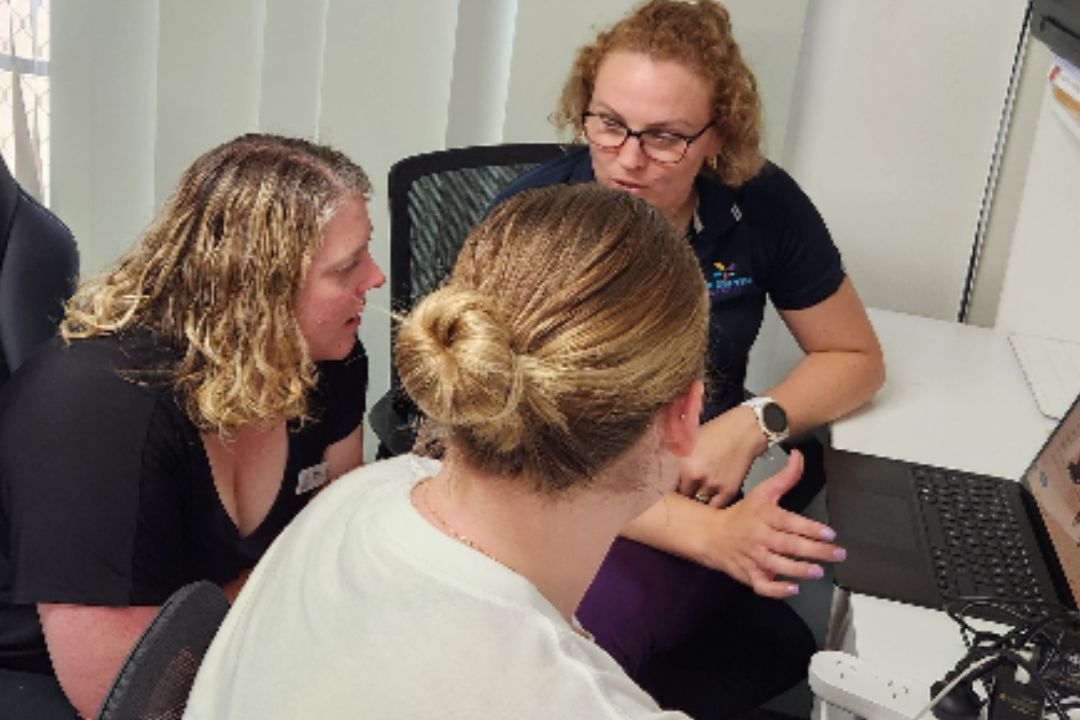
Why do we review progress every three months?
Children grow, families change and priorities evolve.
Something that was important three months ago might no longer be the biggest priority. A skill your child has developed in therapy might still be difficult to use at home, school or in the community.
Regular reviews help us:
Celebrate meaningful progress and understand what’s changing in everyday life.
Identify challenges that might not be visible during therapy.
Review whether current goals and therapy approaches are still relevant.
Adjust priorities and recommendations as your child’s needs evolve.
Gather important information for future progress reports and NDIS planning.
Rather than waiting until a report is due to revisit everything, these regular conversations help us build an accurate understanding of your child’s progress and ongoing needs throughout their plan.
Why do we send a questionnaire before the review?
Before your review, we’ll send you a short questionnaire to help you reflect on your child’s progress, everyday challenges and current priorities.
Your therapist considers this information alongside their clinical observations and assessments.
The questionnaire helps us understand your perspective. The conversation allows us to explore it together, clarify any concerns and agree on meaningful next steps.
Sometimes the questionnaire provides enough information for a routine progress update. At other times, particularly when goals are changing or important decisions need to be made, a dedicated conversation is needed.
Why might we need to meet without your child?
We understand that arranging another appointment can be challenging for busy families.
However, during therapy sessions, our therapists need to prioritise your child’s engagement, learning and safety. For some children, having a detailed adult conversation during their session isn’t practical or safe.
For older children and teenagers, discussing sensitive challenges, support needs or concerns in front of them may also affect their confidence or wellbeing.
Having dedicated time with parents and carers creates an opportunity to speak openly and sensitively, while respecting your child’s dignity.
We also value children’s involvement in decisions about their therapy and support them to contribute in ways that suit their age, communication and individual needs.
How does this help with NDIS reporting and future planning?
When an NDIS plan review approaches, our therapists may be asked to prepare a comprehensive report outlining your child’s progress, ongoing functional needs and recommended supports.
While therapists can report on the skills they observe during appointments, they also need to understand how your child is managing in everyday environments.
For example, a child may demonstrate improved walking or communication skills during therapy, but still require substantial assistance to use those skills at home, school or in the community.
Without family input, these important details may be missed.
Regular progress reviews help us gather meaningful information over time, rather than trying to piece everything together when a report is due.
This allows us to provide a more complete picture of your child’s progress, remaining challenges and future support needs.
Our responsibility is to ensure our reporting accurately reflects your child’s current needs and the supports that may help them achieve meaningful outcomes.
These reviews contribute to stronger, evidence-informed recommendations, although NDIS funding decisions ultimately remain with the NDIA.

Does a progress review mean paying for another appointment?
Not necessarily.
We know that therapy funding and family schedules need to be carefully managed.
Progress reviews are part of providing thoughtful, individualised therapy. They aren’t simply about adding another appointment to your schedule.
Depending on your child’s needs, we may be able to:
Have a shorter phone or telehealth conversation.
Include a parent discussion within an existing appointment, where appropriate.
Shorten or replace a scheduled therapy session with a dedicated parent consultation.
Arrange a separate appointment when a more detailed discussion is clinically needed.
Your therapist can help identify the most appropriate option, and any additional fees will be explained before booking.
The important thing is that we have opportunities to understand your family’s experiences and make informed decisions together.
Working together for meaningful progress
At Lifespan Therapies, we believe great therapy is built on collaboration.
Our therapists bring clinical knowledge, observations and evidence. Families bring an understanding of their child’s everyday life, experiences and priorities. Children bring their own perspectives, preferences and goals.
Together, these help us make sure therapy remains relevant, purposeful and responsive to changing needs.
Because progress isn’t just about what your child can do during a therapy session.
It’s about what becomes possible in everyday life. 🌸