
Written by Brigit McMahon, Physiotherapist
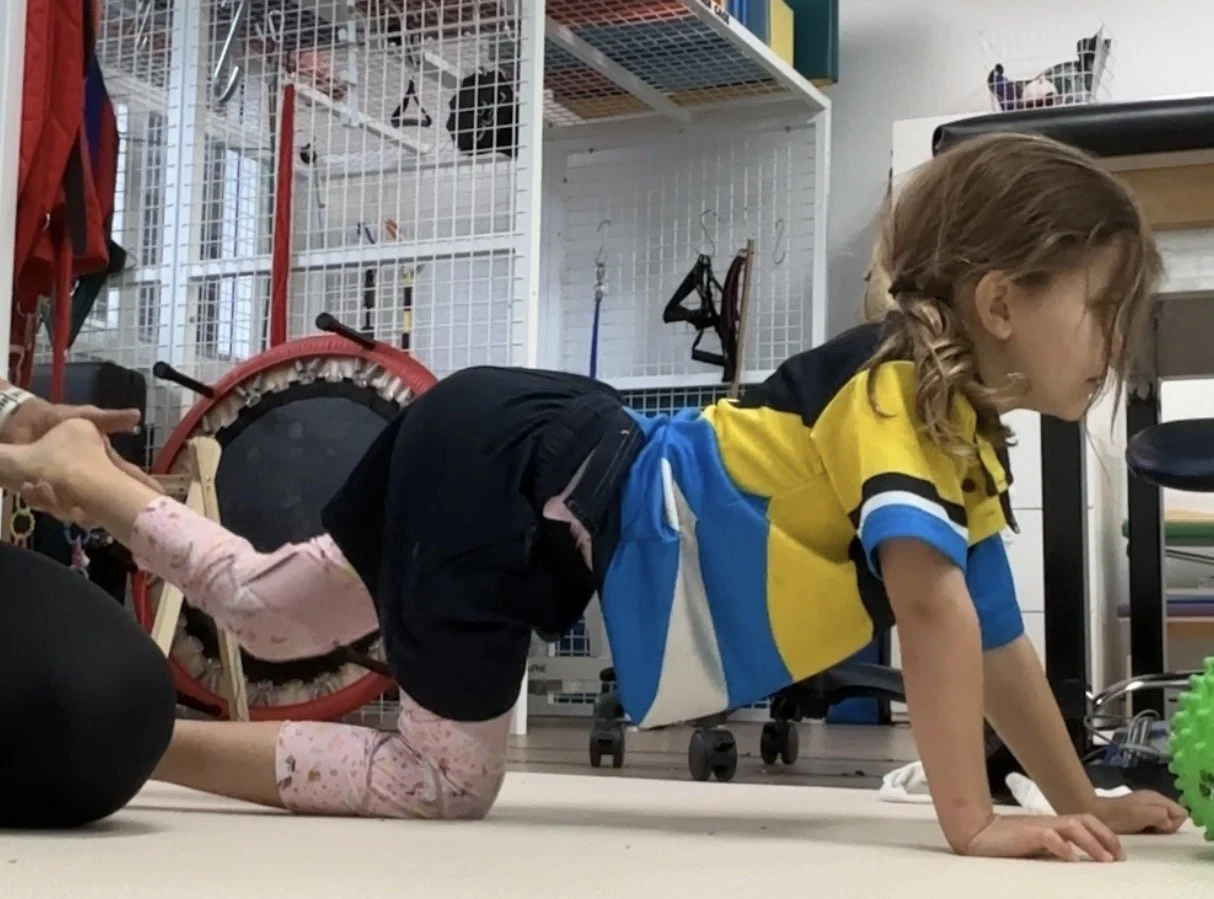
Adolescence is one of the most important and complex stages of athletic development. Rapid growth, hormonal changes, and increasing training demands can significantly impact young athletes. This period is full of opportunity, but it also carries increased injury risk.
Growth spurts, where the height velocity is at its peak, can temporarily reduce coordination, alter biomechanics, and place extra stress on developing bones, tendons, and joints. At the same time, many adolescents are training more frequently, specialising earlier, and competing at higher levels than ever before.
Our role in as physiotherapists working with athletes in sport is to help young athletes prevent injuries and make sure they develop safely, confidently, and sustainably.
Understanding the Adolescent Athlete
During adolescence:
· Bones grow rapidly, sometimes faster than muscles can adapt.
· Hormonal changes influence strength, power, and recovery.
· Training loads often increase in intensity and frequency.
· The body’s centre of mass changes which can affect coordination and motor control.
Without the right support, this combination can lead to overload injuries, recurrent pain, or loss of confidence in the body.
What can we help with as physiotherapists?
As physiotherapists, we guide:
· Management of growth-related conditions (e.g. Severs Disease, Osgood Schlatter's, Sinding-Larsen-Johansson (SLJ) syndrome)
· Safe and progressive strength development
· Load management during rapid development
· Support through growth spurts and coordination changes
· Hypermobility management and joint protection
· Return to sport using clear functional criteria
Injury during adolescence can be mentally challenging. Young athletes may fear re-injury or feel disconnected from their body after rapid physical changes. Structured rehabilitation can help to restore trust in their strength and ability.
Return to Sport after injury
Being pain-free does not always mean being ready. Using functional, sport-specific criteria to guide return to play can make sure you are ready physically and mentally to avoid reinjury and optimal performance. This includes:
· Objective strength benchmarks
· Plyometric and jump testing
· Agility and change-of-direction testing
· Sport-specific drills
· Return to sport should be earned through demonstrated capacity - not just time elapsed.
How Do We Support Young Athletes?
Sports Screening for Injury Prevention
Prevention is always better than rehabilitation. Our sports screening process identifies potential risks before they become injuries through:
· Strength testing
· Jump testing
· Injury risk profiling
· Technique assessment and adjustment for injury prevention
By analysing movement patterns, landing mechanics, strength asymmetries, and control, we can create targeted intervention plans tailored to the individual athlete.
Collaborative Rehabilitation
Sports physiotherapy for adolescents works best when it is collaborative and forward-thinking.
When appropriate we offer:
· Ongoing communication with coaches
· Off-season development plans
· Gym-based strength programs
· Individualised load management strategies
· Education for athletes and parents
This team approach ensures consistency between rehab, training, and competition environments.
Sports Injury Assessments
Our assessments consider the whole athlete, looking at symptoms, strength, mobility, movement patterns, training demands and sporting goals.
We commonly assist with:
· Knee pain, including Osgood-Schlatter disease and patellofemoral pain
· Heel pain, including Sever's disease and plantar fascia pain
· Ankle sprains and recurrent ankle instability
· Shoulder pain and instability
· Muscle strains and overuse injuries
· Back, hip and groin pain
· Return-to-sport planning following injury
Final Thoughts
Adolescence is a window of immense potential. With the right guidance, young athletes can build strength, resilience, and confidence that carries into adulthood.
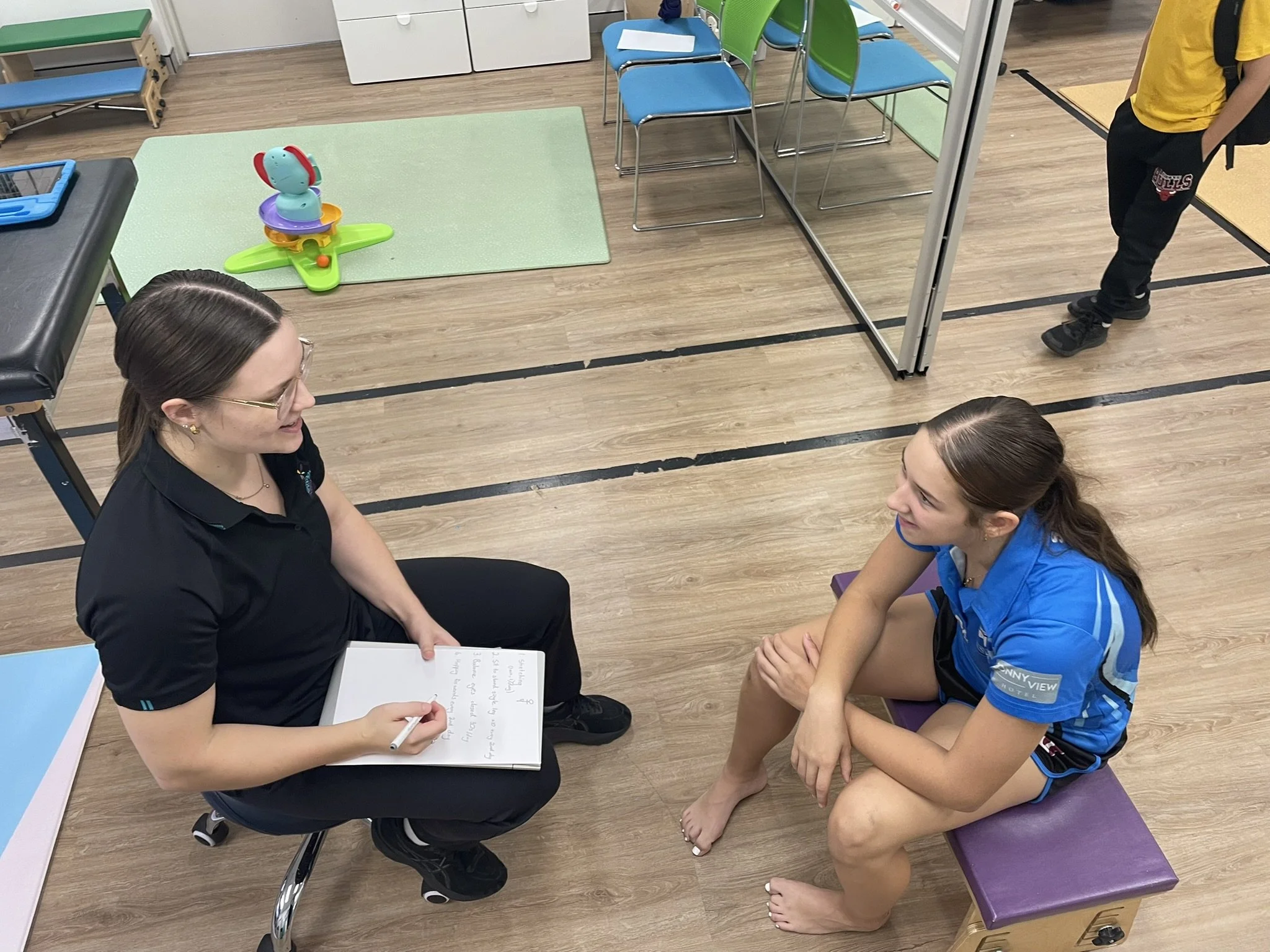
Sports physiotherapy during this stage is about shaping robust, capable, and self-aware athletes who can thrive in their sport safely.
If you have a young athlete navigating growth, injury, or increasing training demands, early support can make all the difference.